

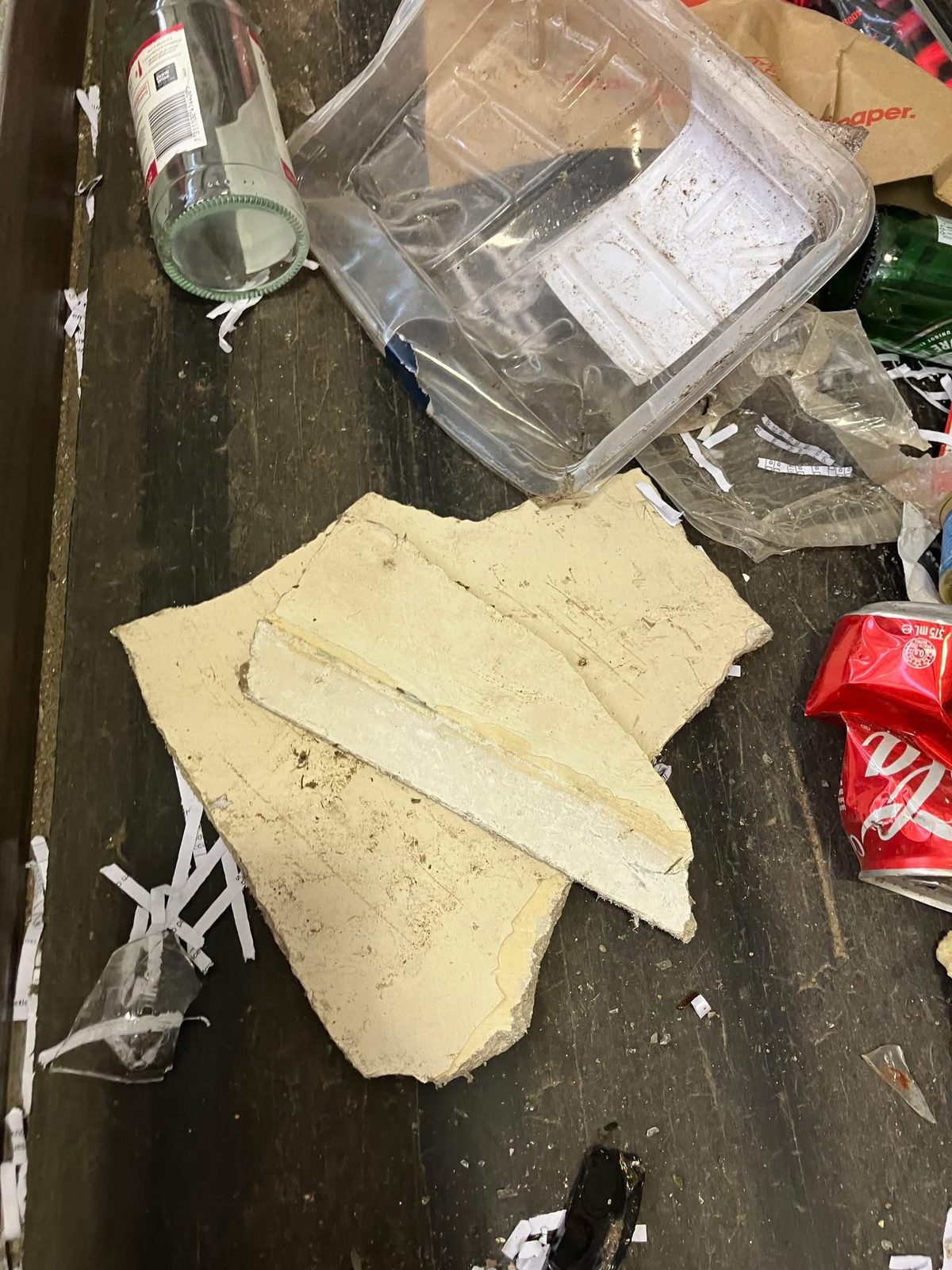
HOUSEHOLDS will soon be able to have asbestos waste collected and disposed of for free under a major state government initiative designed to tackle illegal dumping and improve community safety.
The NSW government has announced a $16m NSW Asbestos Plan of Action, including a $9m, two-year household collection trial that will begin next year.
The program will allow households to arrange free collection and disposal of asbestos waste, removing one of the biggest barriers to proper disposal.


The reforms are part of the government’s response to the Chief Scientist’s report into asbestos in the waste stream and are intended to reduce illegal dumping, improve worker safety and strengthen asbestos management throughout the waste supply chain.
The announcement will be welcome news for communities and councils in the North West which are all too familiar with the impacts of illegal asbestos dumping.
The region has experienced incidents in recent years, including several hundred kilograms of asbestos illegally dumped on Grain Valley Way and materials discovered from a household collection at the Gunnedah waste transfer station in 2023.
Last year, asbestos-containing waste was dumped at the Wee Waa waste facility, and the prolonged closure of the Boggabri waste transfer station impacted the local community after asbestos was illegally dumped there.
Illegal dumping costs councils across the state millions of dollars each year, with asbestos frequently found among dumped materials because of the expense and difficulty associated with proper disposal.
The government says many homeowners carrying out renovations are unsure where to safely dispose of asbestos or find disposal costs prohibitive, leading to accidental misuse or illegal dumping.
Under the new trial, making disposal free is expected to encourage more people to do the right thing while reducing risks for the wider community. The Asbestos Plan of Action also introduces stronger controls across the waste supply chain, increased training for workers handling asbestos, improved safeguards to prevent contamination and measures designed to bring NSW into line with other states and territories.
The plan was developed in consultation with SafeWork NSW, the Asbestos and Dust Diseases Research Institute, industry representatives, workers and the NSW Asbestos Coordination Committee.
Minister for the Environment Penny Sharpe said one in three houses built before 1990 contains asbestos.
“That’s why it’s important to make it cheaper and easier for NSW families to dispose of these materials,” she said.
“To avoid the looming waste crisis in NSW, we need to increase resource recovery and reduce barriers to safely disposing of problematic waste types, like asbestos.
“We’re acting upon recommendations to tighten the entire supply chain – making sure it is safer for workers, better for industry and trusted by the community.”
Kim Brislane, chief executive officer of the Asbestos and Dust Diseases Research Institute (ADDRI), said more than 4,000 Australians die each year from historical exposure to asbestos.
“We must be vigilant about the risk of asbestos and take precautions when it is detected in the workplace or the home,” she said.
“ADDRI supports patients and families affected by asbestos-related diseases every day, giving us a clear understanding of the devastating impact of asbestos exposure. That’s why we strongly support action to better protect workers and the broader community from this preventable risk.
“This suite of measures from the NSW government will help raise awareness of the dangers of asbestos, reduce current and future exposure, and crucially, prevent more people in NSW from developing asbestos-related diseases.”
To order photos from this page click here