

Doctors are reassuring country communities that the risk is low and the care factor high, when it comes to dealing with possible cases of COVID-19 (coronavirus) in the bush.
Dr John Hall, President of the Rural Doctors Association of Australia said that for most rural Australians their risk of exposure at this stage to the outbreak is very low.
“If you feel unwell and are coughing and sniffing, then the most likely outcome is that you just have a regular, but still unpleasant, cold or flu,” Dr Hall said.


“The best way of reducing your exposure is to practice good hand hygiene and minimise contact.
“If you are well, you don’t need to wear a surgical mask. In the community these are only helpful in preventing people who have coronavirus disease from spreading it to others.
The overuse of masks will mean supplies are not there when they are genuinely needed.
“What you should do is:
•Wash your hands often with soap and water or hand sanitiser.
•Use a tissue and cover your mouth when you cough or sneeze.
•Avoid close contact with others, such as touching.
“Sadly, those most at risk within the community of having severe complications or death caused by coronavirus are the elderly. This is the same with our regular seasonal flus.
“If you are unwell, or think you may have been in contact with a COVID-19 case, don’t go and visit an aged care facility.
“This should be standard whether there is a coronavirus outbreak or not. The fact is that the elderly are the most vulnerable in terms of their health.
“The other populations most likely at risk of severe complications from coronavirus are people from remote Indigenous communities and those with underlying chronic disease.
“But so far, the exposure in rural areas is very low so even if you are sick, you probably DON’T have Coronavirus,” Dr Hall said.
“If you have been working on your farm and seen no one but your family and your livestock or tractor – you REALLY probably DON’T have coronavirus.
“In the unlikely event that the mood struck you for a quick holiday in Iran, and you are now feeling unwell? Stay at home, call your local rural GP and ask for advice.
“Your doctor doesn’t want you coming in to the surgery and potentially infecting them or other patients, so they have procedures in place for minimising this risk.
“This includes isolation areas in the clinics, or possibly telephone consults,” Dr Hall said.
“There is no treatment for coronavirus, but medical care can treat most of the symptoms.
“Antibiotics do not work on viruses. The best advice is to just stay home, treat as you would a regular flu, and minimise your contact with others.
“Should your symptoms become serious, especially if you start to have difficulty breathing, call 000.
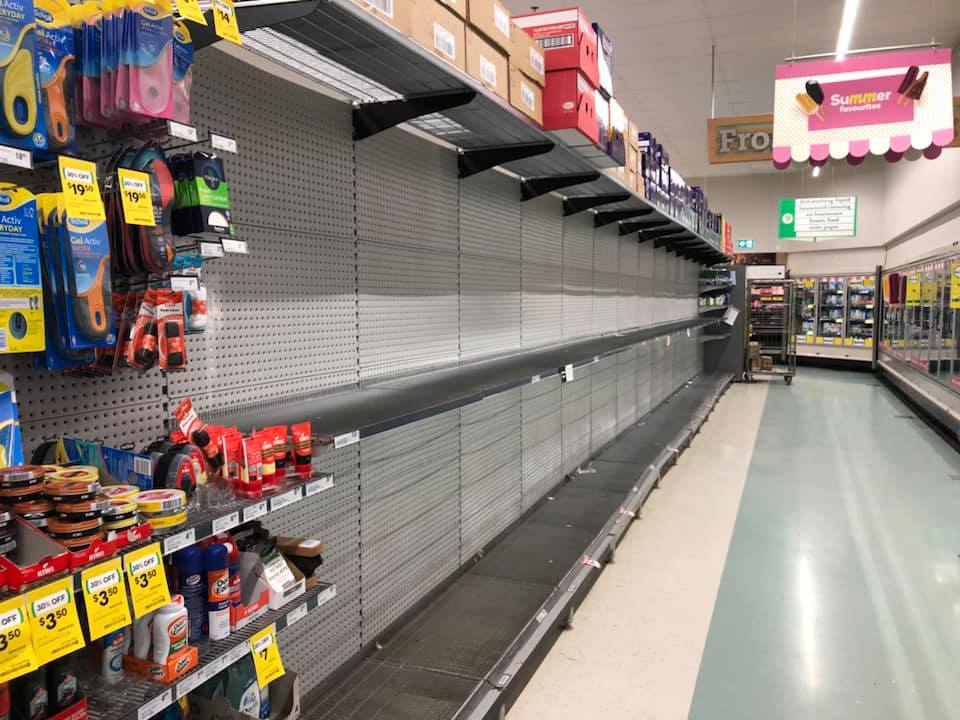
“And whatever happens, stockpiling toilet paper is unlikely to be of any real benefit in the case of an outbreak!”
For more information or assistance call the coronavirus hotline on 1800 020 080.
To order photos from this page click here