


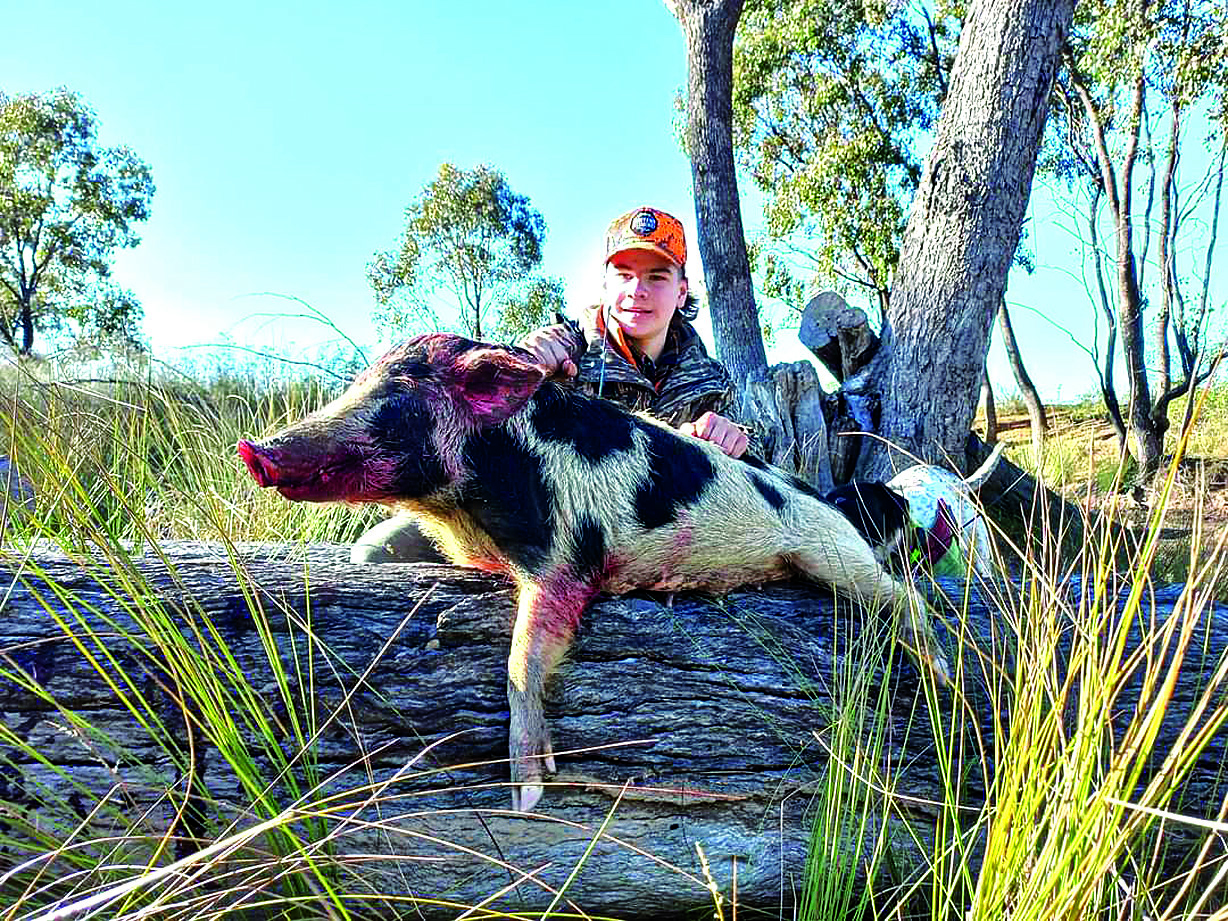
Feral pigs are continuing to wreak havoc on rural land and cause millions of dollars worth of damage to crops.
Two consecutive wet summers have contributed to the surge in numbers, with food and water in plentiful supply for the pests.
North West Local Land Services commissioned AgEcon to conduct a survey of farmers in the region, looking at the financial impact pigs had on the winter of 2020 and the summer 2020-21 crops.


The survey revealed the financial loss pigs caused to farmers in the North West for that period was more than $47 million.
Approximately 132,000 tons of grain, 15,000 bales of cotton and 11,000 lambs were destroyed by pigs, with pigs present on 90 per cent of properties surveyed, a total area of 543,644 hectares.
North West Local Land Services senior biosecurity officer David Lindsay said currently, it is the busiest time for pigs.
“We have baiting programs going all the time,” Mr Lindsay said.
“With all the crops going in and starting to grow, farmers are starting to see damage.
“I have a group of landholders covering 15 holdings who have been working together with their baiting programs and they are seeing positive results. Being proactive and working together is the most beneficial way to get the best results.
Mr Lindsay said the weather has contributed to the surge in feral pig numbers.
“Landholders could easily see pigs and control numbers during and right after the drought,” he said.
“After a couple of good seasons in a row though, the grass is incredibly high, providing cover and landholders are struggling to see them, so they are breeding up.
“Sows are getting to breeding weights quicker, the litters are larger and most are surviving. It is just a perfect time for pigs.”
AgEcon has been commissioned to run another survey for this year and North West Local Land Services are hopeful to get a comparison of numbers, gaining a better understanding if the pig numbers and financial impact of the feral animals are stabilising or getting worse.
“We are really hoping landholders in the North West region will get on board once more for this next survey,” Mr Lindsay said.
To order photos from this page click here