


North West Local Land Services district veterinarian Shaun Slattery is advising people to ‘be concerned but calm’ about the threat of Foot and Mouth disease, and it’s a message he reiterated at a briefing in Narrabri.
During his presentation, Dr Slattery read parts of a statement from the NSW Chief Veterinary Officer Dr Sarah Britton, explaining the most likely entry point for FMD into Australia was through the illegal importation of contaminated milk or meat product that is subsequently fed to pigs.
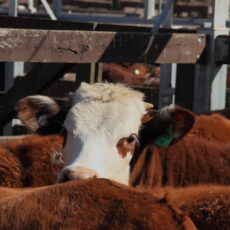
FMD is a highly contagious animal viral disease that impacts cloven-hoofed animals such as cattle, sheep, goats, and pigs.


Cloven-hoofed animals are those with a split toe. It does not affect horses.
Causing fever and painful blisters inside animals’ mouths and under their hooves, FMD can prevent an animal’s ability to eat, drink and stand.
It has significant animal health and welfare repercussions, and much of Australia’s market access relies on maintaining the country’s FMD-free status.
The estimated loss to the Australian economy in the event of an outbreak is predicted to be $80 billion over 10 years with significant flow on effects to rural businesses and communities, not to mention the emotional toll on graziers’ who care for their stock.
Dr Slattery said pigs can spread FMD rapidly and swill feeding is banned in Australia.
The term ‘swill feeding’ refers to the giving of food scraps to pigs: meat scraps, animal carcass, offal, blood and bones, but also any product that may have come into contact with meat during processing, such as cooking oils, many vegetables and fruit, and most bakery items.
The feeding of swill (also known as prohibited pig feed) to pigs is a significant risk factor for the introduction and spread of many emergency animal diseases.
For this reason, it is illegal to feed swill to pigs in all states and territories.
The rules apply to all pigs – pet pigs, commercially grown pigs and pigs raised for people’s own consumption.
“Recently, there has been increased media around the risk of travellers from Bali potentially being a pathway for spreading FMD,” said Dr Slattery, referencing the CVO bulletin.
“This risk is much lower than the prohibited pig feed pathway.
“If people clean their shoes and clothes and do not come in contact with livestock for five to seven days when returning from FMD infected countries then the risk can be managed.”
Dr Slattery said since FMD was reported in Indonesia in May, there has been continued spread across 22 provinces including Bali, with more than 400,000 livestock affected.
He said the country instigated movement controls of animals and product in some areas and have rolled out a major vaccination program to assist in controlling the outbreak.
“These control efforts are occurring concurrently with the response to a Lumpy Skin Disease outbreak that is also ongoing in Sumatra,” said Dr Slattery, referencing the CVO bulletin.
“The Australian government has offered both financial and technical support to assist Indonesia to control the outbreak and reduce the risk posed to Australia.”
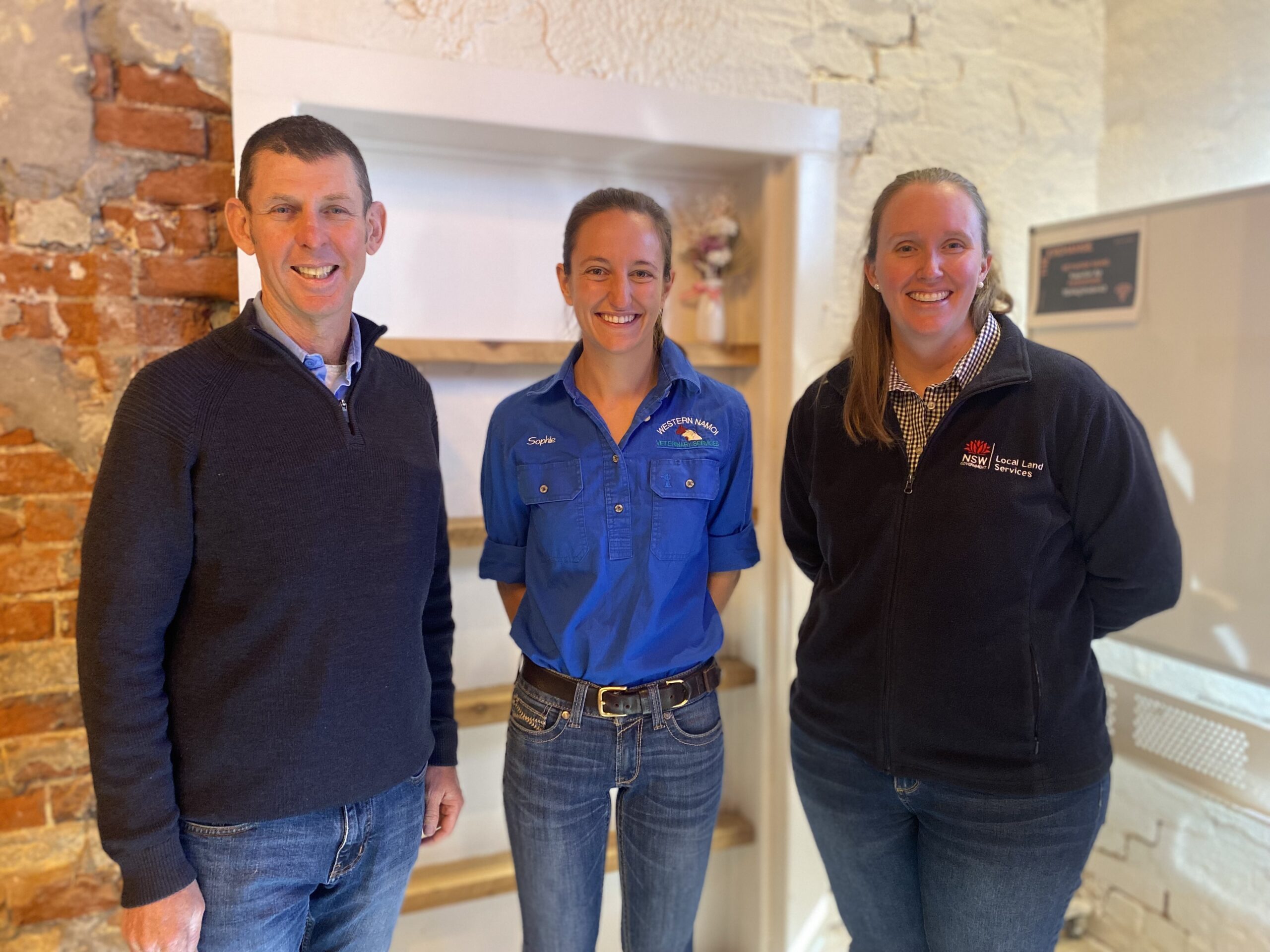
The briefing session was organised by North West LLS and Western Namoi Veterinary Services to inform locals about the latest FMD updates, biosecurity measures and what people can be doing on their farms and in their workplaces to protect stock and reduce the threat of FMD.
Attendees travelled from across the district for the event, with the crowd consisting of graziers, stock and station agents and other agricultural workers.
The briefing also covered other important topics, including Lumpy Skin Disease and ways to improve heifer productivity, with presentations from North West LLS district veterinarians Dr Shaun Slattery and Dr Megan Davis, and Western Namoi Veterinary Services’ Dr Sophie Donatini.
Dr Slattery said there were a number of measures locals could take to stop the threat of FMD and help to keep Australia FMD-free.
“First of all – no swill feeding to pigs as feeding of illegally imported contaminated milk or meat product to pigs is the most likely entry point of FMD in Australia.
“This includes allowing feral pigs to access household food waste,” Dr Slattery told the North Western Guide.
“The second thing is on-farm biosecurity plans.
“These should include knowing the symptoms of emergency animal diseases and how to report suspect cases”
“Producers should be comfortable reporting very early if you have any concerns at all because there are no false alarms,” added Dr Slattery.
“Also, make sure your NLIS (National Livestock Identification System) is very up-to-date, make sure it’s picture perfect.
“And look at people coming on and off your property, including trucks and remember the principles of ‘come clean, go clean’ – that’s very important.
“There’s plenty of information on various websites, on the LLS site about Foot and Mouth Disease and Lumpy Skin Disease, so you can help us keep this out of Australia.
“And also, if there is a case, we can respond quickly.
“Like COVID, the trick is to act calmly and decisively.”
Dr Slattery said he thought the large number of attendees at the weekday event reflected graziers’ desire to stay informed and take the right action rather than just worry or panic.
“I actually think it’s a reflection of how positive people are at the moment in terms of the industry generally,” he said.
“And when you’re thinking positively, you start thinking about ‘what can I do?’, and you start being proactive.
“And it also gives us an indication of what’s at risk, and this is a big risk, an $80 billion risk to our industry and our lifestyle and its right that people come and get the correct information.”
As well as the economic cost, the emotional impact on graziers and those working in the agricultural industry would be huge if FMD reached Australia.
Many remember the devastating images from the United Kingdom when there was a horrible FMD outbreak there in 2001.
The cruel virus spread, resulting in more than 6 million cows, sheep and pigs being slaughtered.
Dr Slattery speaks about FMD from a position of great experience, having worked in the UK during the 2001 outbreak.
“I was a field officer travelling around Yorkshire sampling and inspecting livestock,” he said.
“We were working out of the Leeds control centre and there were over 160 veterinarians working there.
“We were systematically inspecting and sampling cattle and sheep, as well as responding to suspect reports of foot and mouth disease.
“We don’t want to get FMD here. And if we do get it, we want it to be handled and stamped out very quickly.
“If we have a case, we will respond quickly and handle it well.”
The LLS presentations described some signs of FMD: blisters on the mouth, snout, tongue, lips or feet; erosions remaining after blisters rupture; drooling; fever; limping and reluctance to move and production losses.
The virus is carried by live animals and in meat and dairy products, as well as in soil, bones, untreated hides, vehicles and equipment used with these animals.
It can also be carried on people’s clothing and footwear.
It can survive in frozen, chilled and freeze-dried foods, including meat and dairy products.
Attendees were also briefed about Lumpy Skin Disease (LSD) a highly infectious viral disease affecting all breeds of cattle and water buffalo.
It does not affect other types of livestock.
LSD is primarily spread by biting insects such as mosquitoes, biting flies and possibly ticks.
It is possible for it to spread by flying insects blown from Indonesia and that is concerning Biosecurity authorities.
Contaminated feed, water, vehicles, and the repeated use of needles on different animals can also spread LSD.
Signs of LSD may include: skin nodules turning into abscesses and scars are most obvious; nose and eye discharge; enlarged lymph nodes; fever and production losses.
Foot and Mouth Disease and Lumpy Skin Disease are nationally notifiable diseases. This means an animal showing suspect signs of the disease must be reported to a Local Land Services District Veterinarian on 1300 795 299 or the Emergency Animal Disease Watch Hotline on 1800 675 888.
To order photos from this page click here