


At Narrabri High School, careers education is done a little bit differently, with students’ aspirations and feedback directly shaping curriculum and courses available to them.
School principal, Emily McInerney, and her careers team have made a point of ‘interviewing’ all Year 10 students and specifically asking them what they aspire to do after school.
This led to the creation of the Careers Highlight Immersion Program, which links careers to curriculum with the support of local industry partners.


Further exploring opportunities for school-based apprenticeships and traineeships, awareness of TAFE NSW courses and exposing students to a variety of career options through immersion opportunities.
Last year, in response to 10 students expressing an interest in healthcare, the first CHIP was developed, which led to 90 per cent of the students pursuing further study in nursing or aged care in Years 11 and 12.
Following the success of last year, there are now plans to expand CHIP into areas like agriculture, primary industries and construction.
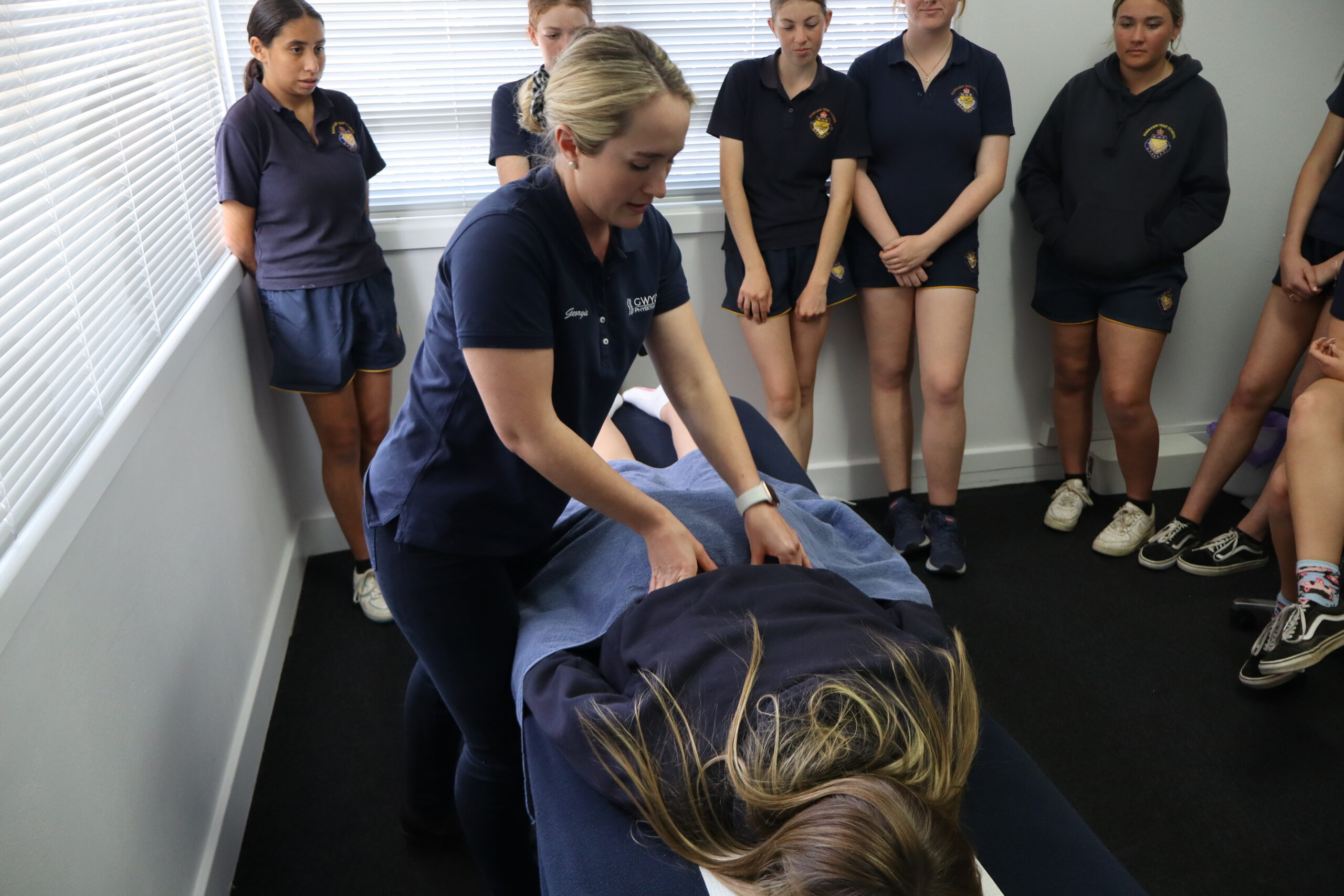
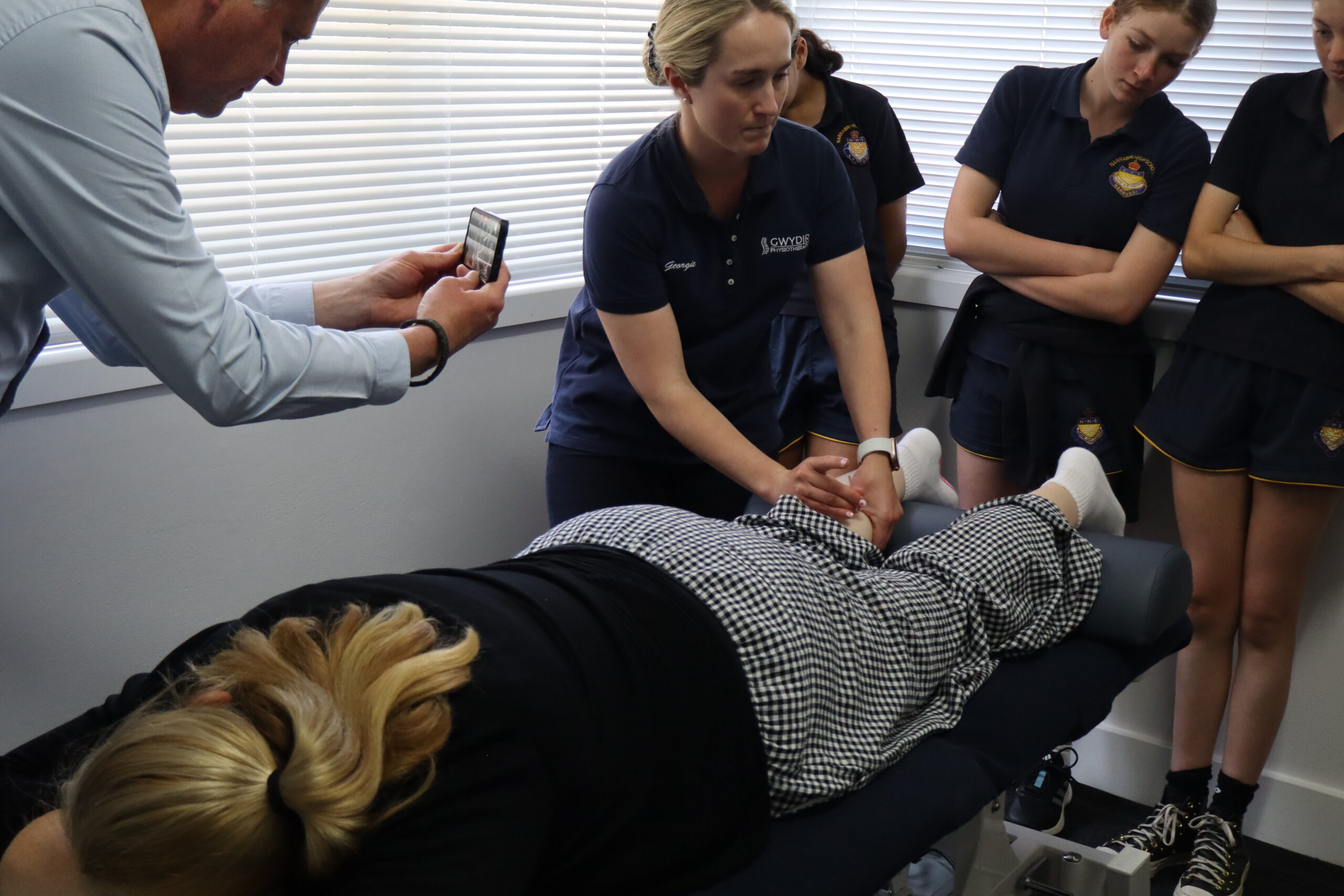
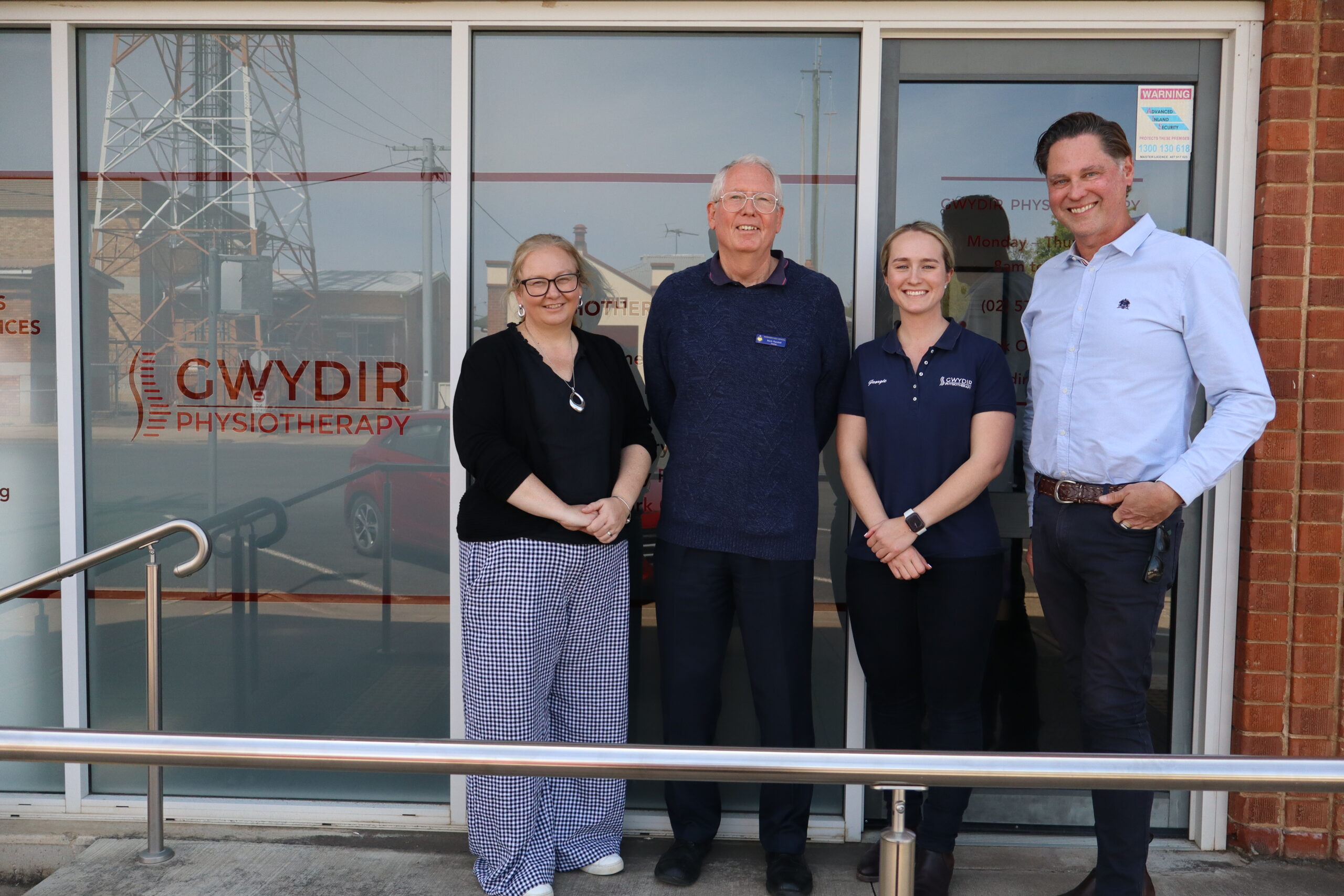
Students in Years 10-12 had the opportunity to involve themselves in some hands-on VET learning on Thursday, September 25 at Gwydir Physiotherapy, as part of the program.
This Medical CHIP involved practicing injury strapping, and rehabilitation exercises such as watching demonstrations of dry needling and cupping.
Gwydir Physiotherapy therapist, Georgie Haire, said that her and the team were honoured to be a part of this program again this year.
“For me, I suppose it’s great to see so many young kids here today who are interested in pursuing a career in health and a couple who are really interested in the idea of physio as well,” Georgie said.
“I think it’s important to encourage this next generation of students to go to university or go on to complete further qualifications in studies and then trying to encourage them to return home.
“We know accessing healthcare, especially in rural communities is already a really big issue with so many workforce shortages.
“So, for these kids to be able to go away, study and then hopefully return home would definitely be one step in the right direction to address that issue.
“When I was this age, I was trying to study hard to get that mark for physio, but I was about 15 marks short of getting into the course.
“So, I took a gap year, ended up studying agriculture and business at UNE, then ended up having a rugby injury which saw me back to the physio.
“This was kind of the moment that sparked that interest to get into physiotherapy, so I just applied on the off chance that I may get in and I was somehow lucky enough to be selected.
“I suppose that is why I am so passionate about really trying to encourage as many young people as possible to go on and do study.
“It doesn’t matter if they don’t get that mark, there are so many ways to get in.
“I think going through school, most people are familiar with sports physiotherapy, especially if kids are sporty.
“So, that’s where the idea of physio will pop into their mind but there are so many different aspects to physio.
“From sports, women’s health, paediatrics, vestibular, neurological, just to name a few.
“Especially in an aging population, being able to help elderly people, improve their balance, strength and mobility.
“To be able to stay in their homes for a long time is really crucial,” Georgie said.
The Courier then interviewed five super students who are shooting for the stars in the medical field.
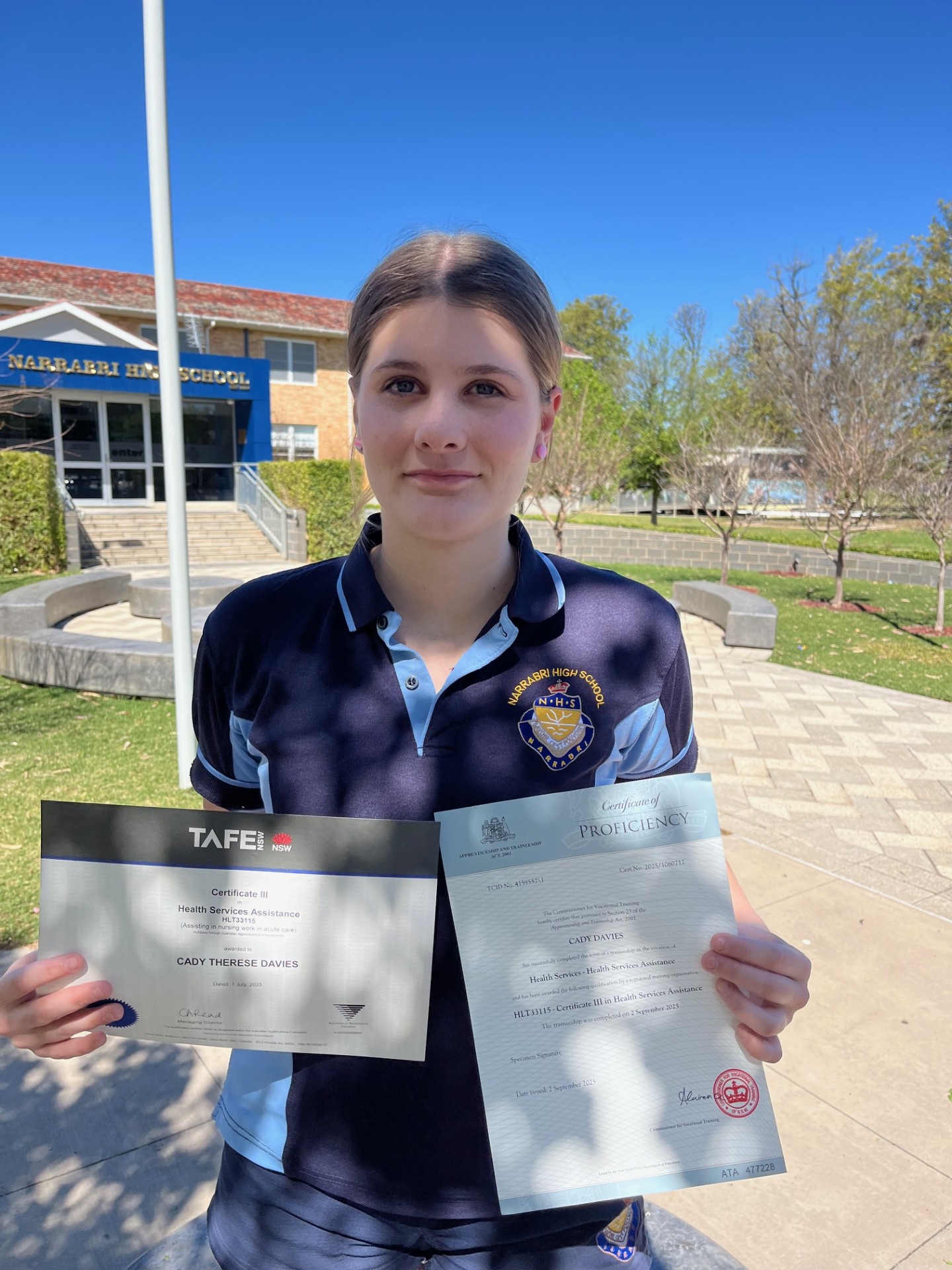
NHS Year 12 student, Cady Davies, has just completed her SBAT course just in time for the HSC and is passionate when it comes to the local people and their health.
“The SBAT involves a lot of responsibility and taking care of elderly patients in a facility,” Cady explained.
“I started the course at the start of Year 11 and it’s supposed to go over two years, completing 700 clinical hours in hospital and 12 subjects at TAFE.
“I finished it earlier as I worked weekends and holidays.
“There were three of us SBATS and one TVET.
“When you’re working you have to take a lot of care and have the heart there to know what’s going on and where they’re at.
“To provide the care that they need and help them achieve what they can’t achieve by themselves,” she said.
“You have to take a lot into consideration when meeting a new patient like why they are in the hospital, knowing about injuries, making sure medication is on time, make sure they’re eating properly, and noting everything down of what is happening.”
Cady said that her favourite part of completing the SBAT course has been meeting new patients, learning about their backgrounds, how they got there and how they’ve overcome the situation.
“Seeing the patients in the street now and getting them to know us.
“Makes us feel really good when they remember us taking care of them in the hospital.
“Something I’m taking away from this experience is that nursing would be a good career to get into and helping people feel the good in themselves.
“I would like to come out as an RN or a paramedic, and I reckon I’ll stay rural because it’s a really nice environment and the people around here just know who you are and appreciate your work,” Cady said.
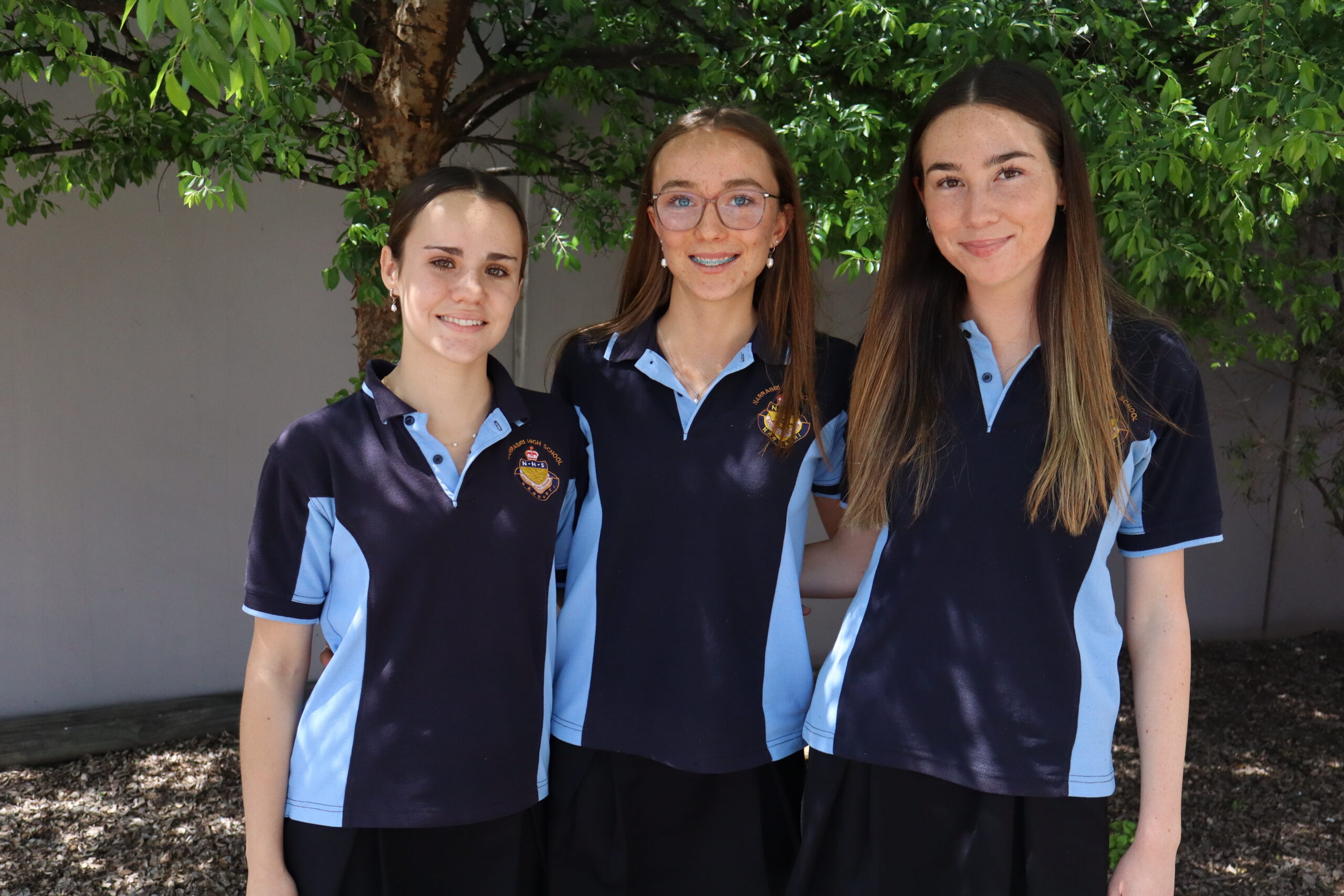
The next interview came in three, with Year 10 students Maxine O’Connor, Ashley Morris and Estelle Eather who are nearing completion in the CHIP program.
“I think the CHIP program has really helped all of us in choosing our subjects for Year 11 and 12, and with that I think we’re all planning on going to university,” Maxine said.
“I don’t do any science subjects and what Georgie said today really spoke to me, to just pick what you like, when it comes to choosing your subjects.
“That’s exactly what I did, I was not good at science, so I simply didn’t pick it.
“I just love doing what I’m doing.”
“The best parts have definitely been meeting new people within the community that do their part in the health industry,” Estelle said.
“I agree with Estelle and especially meeting new people in the community who you didn’t realise do things behind the scenes helping everyone in every day life, getting through their troubles,” Ashley added.
The girls mentioned that Whiddon was a great experience and to see so many young people working there, helped in building their confidence.
“We didn’t expect a lot of that younger group to work there, so it kind of made us realise that you can really do something in this career from a young age,” Maxine said.
“I recommend this program to anyone who has an interest in this field of work, just do it, try your hardest and really kind of engage in it and take in the information that you’re given because it is really valuable,” Estelle said.
“Take all of the opportunities you can to invest in their time because they have already gone through uni, they have the knowledge, and they are there to support you, as well as just teach,” Ashley added.
“When we were over at Whiddon, it wasn’t until everyone started volunteering that people came out of their shell.
“I did the opposite and dived right in which was the best thing I could’ve done,” Maxine said.
Estelle and Ashley would both like to go to Charles Sturt University at Port Macquarie campus.
Maxine has something else in mind.
“I would like to go to Columbia in New York City or Melbourne University. Two vastly different places, quite far away from each other,” she said.
Then there was the opportunity to have a chat with Year 10 student Holly Anderson, who has only just begun the SBAT course at the start of this year, but is already crushing it.
“This program has really opened my eyes to the medical world and that there are so many paths you can take,” Holly said.
“It has given me the confidence, now I know that I don’t have to just become a doctor to be considered for the medical industry.
“So much so, that this year I applied for the SBAT Nursing Course to work at Narrabri Hospital and I successfully got in, I start work next year as an assistant nurse.
“I’m very excited about this, because I’ve always wanted to be in the medical field but didn’t know where and I think nursing is where I want to be.
“Nursing is a bit different to being a doctor because you get to more so care for the patients and build that bond while being a safe place,” she said.
“You can branch off so much but then you can also come back to somewhere like Narrabri and be whoever you want to be.”