


PEOPLE escaping domestic violence are being forced to sleep in cars, stay with relatives or leave their communities because of a severe shortage of crisis accommodation across regional NSW.
The pressure is particularly acute in New England and North West NSW, which has the state’s highest recorded regional domestic and family violence rate at 705.2 incidents per 100,000 people.
A 2025 Domestic Violence NSW report said severe housing shortages were forcing some victim-survivors to remain with perpetrators, while a survey of regional and remote services found they were operating at almost 300 per cent of their funded capacity.


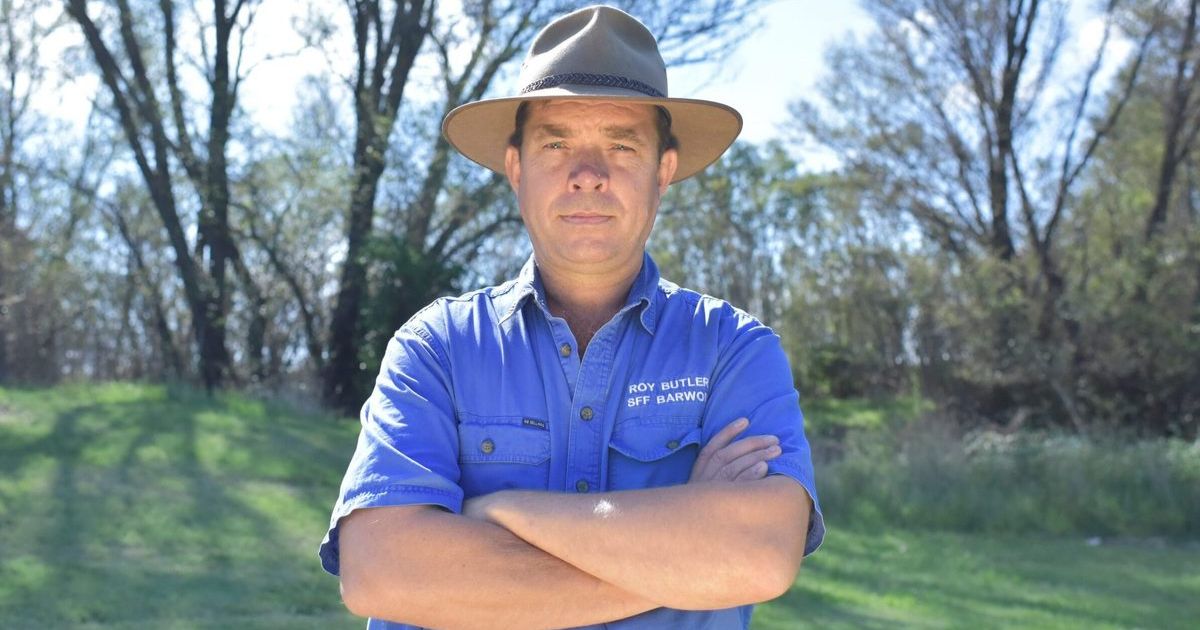
Member for Barwon Roy Butler said many towns had no dedicated crisis accommodation, leaving people trapped in unsafe homes or placed in temporary accommodation that might not provide adequate protection.
“Many towns have no crisis accommodation,” Mr Butler said.
“That means that people can be stuck in a house that is not safe with the threat of violence ever-present.
“Sometimes people at risk are placed in motels, which can then make it fairly easy for the people they’re fleeing from to reach them.”
The nearest crisis accommodation for Nyngan is in Dubbo, about 170 kilometres away.
Nyngan Local Aboriginal Land Council chief executive officer Raylene Weldon said the shortage left people with few safe options.
“People escaping domestic violence are sleeping in their cars, or bunking in with family, otherwise they’d have to go to Dubbo or Bourke,” Ms Weldon said.
Kelly Galic, from Nyngan’s Wangaaypuwan Wellness, said leaving town could separate people from the family, friends and services they relied on.
“They’re being taken away from their support network, from their home,” Ms Galic said.
“It’s not ideal for them when they’re going through something so serious.”
The broader housing shortage is also limiting the options available to people trying to establish a safe and permanent home.
Nutrien Russell property manager Emily Miller said there were no rental homes currently available in Cobar.
“Even if there was a home available, the final decision is up to the landlord, and we have to go off their income and their job,” Ms Miller said.
“If you’re fleeing domestic violence, you’re probably a single parent and might not have a job, so it’s heartbreaking when we can’t help.”
Mr Butler said the recent NSW Budget increased funding for domestic violence support agencies by 50 per cent, describing the investment as a significant step in the right direction.
He said he was continuing discussions with the NSW government about potential options to provide more crisis accommodation across the Barwon electorate.
“I’m working with the NSW government on possible options for more crisis accommodation in Barwon,” Mr Butler said.
To order photos from this page click here