


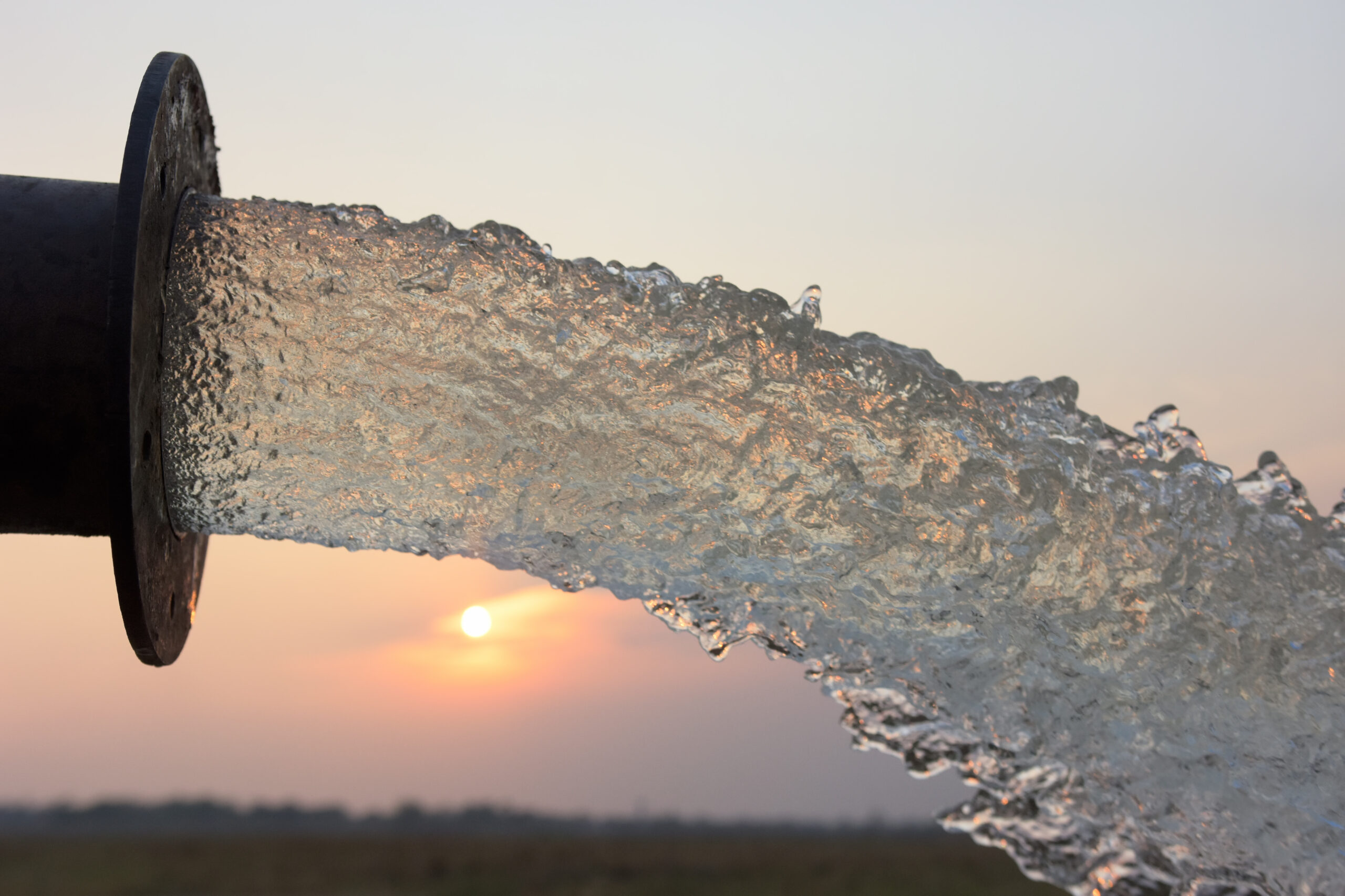
Offences related to taking too much water or not having a compliant water meter remain the most common issues dealt with by the Natural Resources Access Regulator.
In the Namoi region, NRAR has alleged 18 offences occurred between July and September, followed by 27 offences from October to December.
In the first period, 78 per cent of offences related to illegal water take or metering breaches, followed by 85 per cent in the second period.


The state-wide figures for July to December 2022 show more than half of alleged water law offences uncovered were for illegal water take or metering breaches.
The next most common offence was unlawful actions on waterfront land (controlled activities), which accounted for 21 per cent of offences committed during the period.
Director regulatory initiatives, Ian Bernard said NRAR had more than doubled its compliance inspections across NSW during spring and summer, including by desktop audits and by on-site visits.
“Widespread flooding has been very challenging for lots of people and of course we take that into account,” he said.
“But the more inspections we do, the more opportunity there is to meet with landholders to help them get into compliance and avoid penalties.
“There’s an old saying that prevention is better than cure – and that’s the outcome NRAR is trying to achieve – proactively protecting water resources for the benefit of communities, culture, the environment and industry.”
Mr Bernard said the latest data supported NRAR’s decision to focus on water metering and the regulatory priorities for this fiscal year.
“The non-urban water metering reform is one of the most significant changes to water management in NSW in the last few decades, and its vital landholders don’t leave it to the last minute to comply,” Mr Bernard said.
To order photos from this page click here