


A report by Cancer Council NSW has found people with a past cancer diagnosis have high unmet needs.
Part of the report’s findings include uncertainty about the future, tiredness, fear about cancer spreading, anxiety and help completing daily tasks, after treatment has finished.
“We conducted a survey which showed us that of the participants, a third of people with a past cancer diagnosis reported having challenges when needing information about access to services to help them manage their ongoing physical and mental health needs,” said Susan Russell, Cancer Council NSW.


“The effects of cancer don’t stop after treatment and people should have access to ongoing support.”
Many participants of the survey expressed feeling as though they are “left in limbo” once acute cancer treatment is over.
Narrabri resident and breast cancer survivor Karen Kirkby has been cancer free for two years but the side effects of her hormone blocking therapy for preventing the return of breast cancer continues to cause her chronic pain.
“Whilst I’m grateful for life saving surgery and the chemotherapy treatment, my joint pain can be so bad, I find it difficult to walk, let alone work and do day to day chores,” Dr Kirkby said.
“I’m not sure who or where to go to get help.”
Recent projections have indicated that over the next 25 years, there will be a 51 per cent increase in new cancer diagnoses in Australia.
As more people will be living with cancer, there’s never been a more important time to improve the quality of survivorship care.
“These findings show that the current system is not addressing the emotional and physical impact of cancer that continues well after a person finishes treatment,” said Shaen Fraser, Cancer Council NSW’s community coordinator, based in Tamworth.
“Unlike Victoria and South Australia, NSW has no state-wide plan to help support people to live well after a cancer diagnosis.”
Cancer Council NSW is calling on the next NSW government in the lead up to the state election this month, to commit to developing a plan to ensure people can access the support they need beyond their cancer diagnosis and treatment.
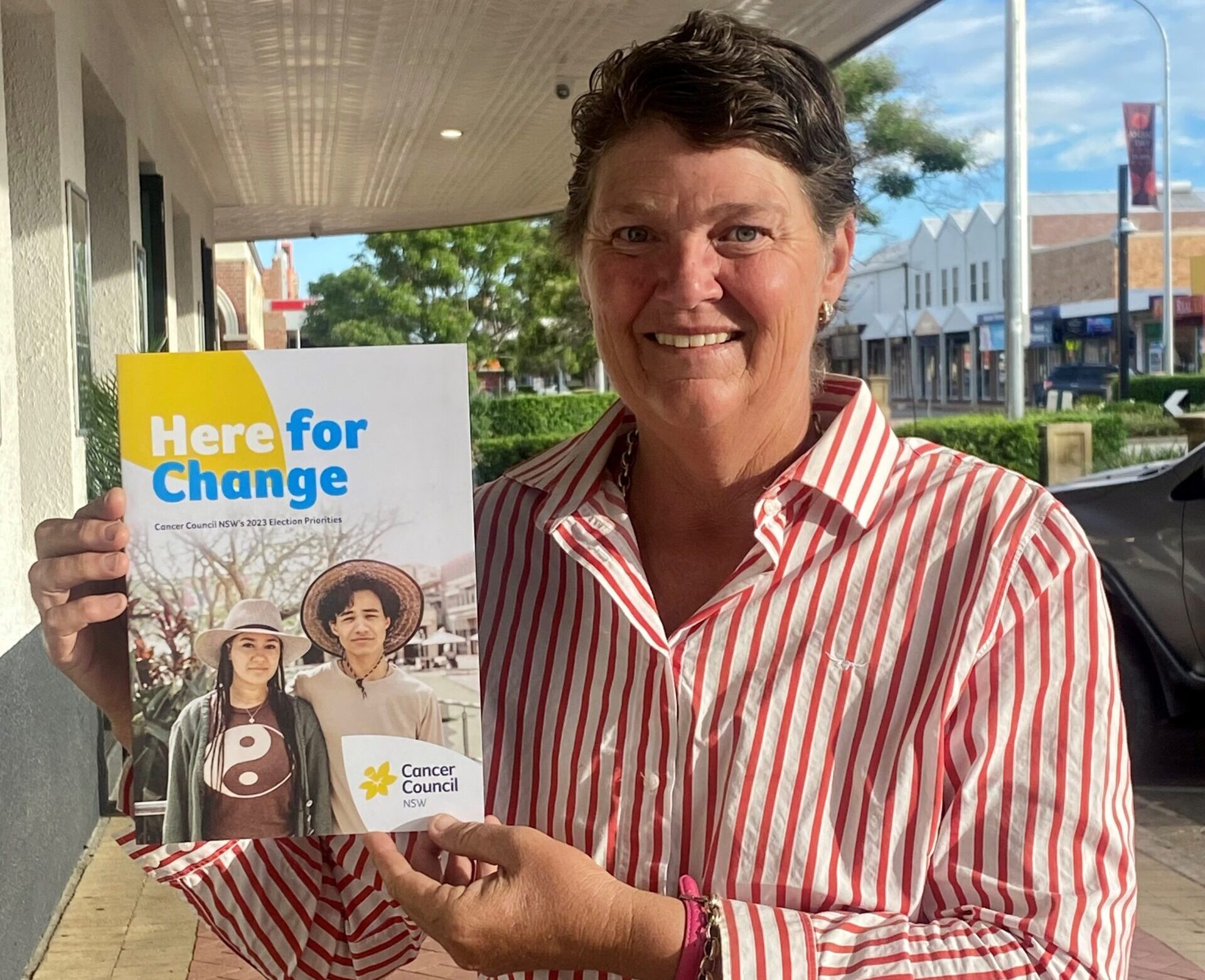
In the organisation’s election priorities document, Cancer Council NSW chief executive officer Professor Sarah Hosking said the poll comes at a time when communities across the state face exceptional challenges and many of the services and supports that communities rely on are under enormous strain.
“There is no doubt we have achieved much from past investments in cancer research, prevention, and care.
“Cancer survival has improved by almost 40 per cent over the past 30 years,” Prof Hosking said.
“However, inequities in outcomes by cancer type and population groups have widened and a growing cancer survivor population requires supportive care.
“It’s time to refocus on our efforts and do what we know works to prevent, detect, and treat cancers and support people to live well following a cancer diagnosis.”
Cancer Council NSW is calling on the next NSW government to invest $24 million over three years in the delivery of a public education campaign. This forms part of its cancer prevention priorities.
Improving early detection and diagnosis of bowel cancer, introducing the highest standard of cancer care no matter who they are or where they live and supporting people to live well during and after cancer treatment also forms part of the election priorities.
To order photos from this page click here