


Speaking at the meeting of the National Mouse Group on March 31, experts from Australia’s national science agency CSIRO, warned that while mouse numbers vary across cropping zones, if present in high numbers, they can have devastating impacts on crops being sown.
Growers are already reporting mouse activity in Queensland and New South Wales summer crops.
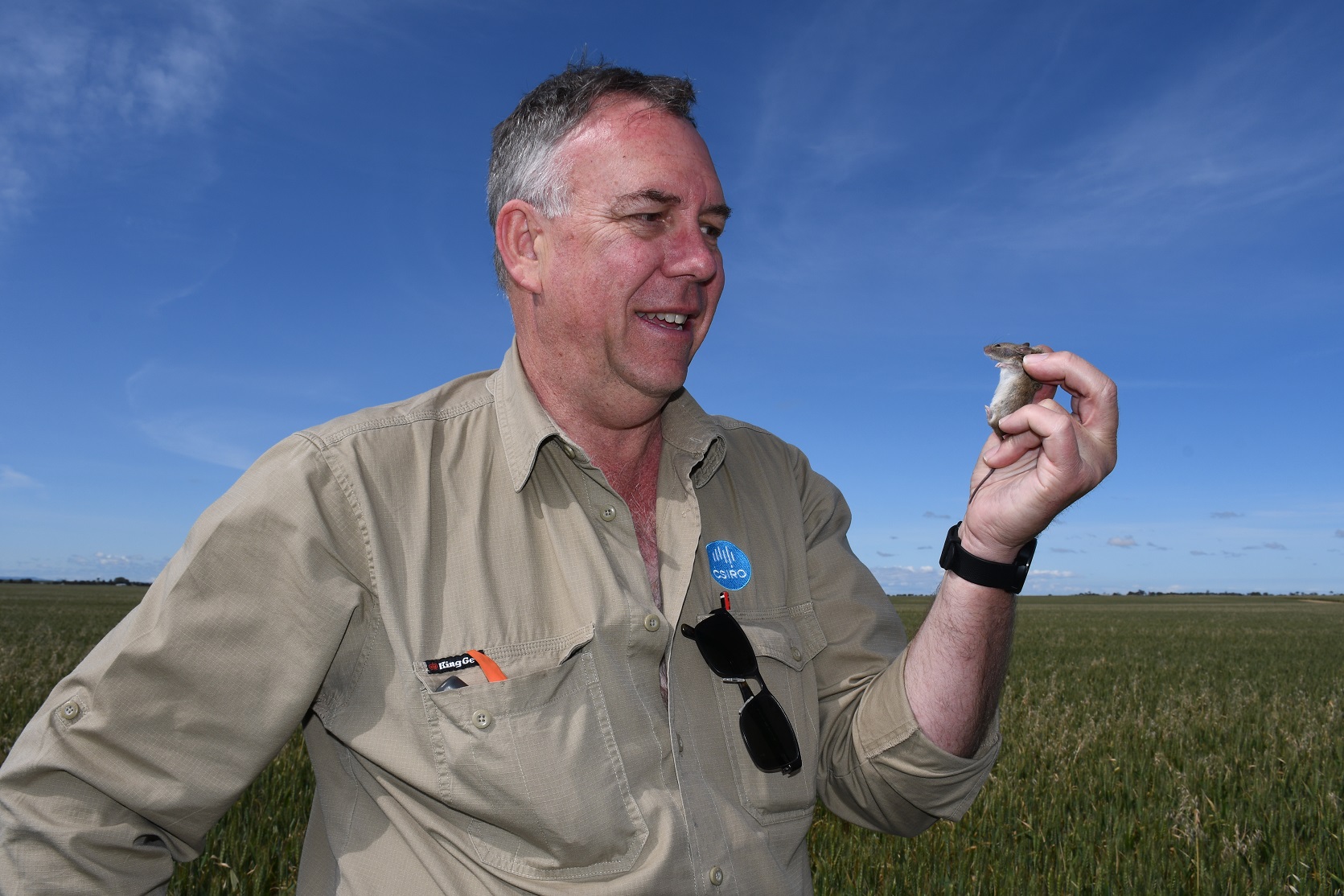
“We are urging farmers to get out of their utes and check their paddocks. Even if you don’t think you have a problem, you may in fact have a localised population about to explode,” said CSIRO researcher Steve Henry.


Regular monitoring and early identification of mouse infestations is essential. If left unchecked, a mouse population can quickly escalate and result in crop losses, reduced yields, and increased costs associated with pest control measures. In addition to eating crops, mice can also damage infrastructure such as irrigation systems and farm buildings.
“Mice are everywhere but numbers are patchy, so farmers should focus on paddocks that have sustained pre- or post-harvest grain loss. It’s about looking earlier and ordering bait as soon as you can,” Mr Henry said.
If mouse numbers on your farm are high, experts advise farmers to apply control measures when background food is at its lowest, which is just after planting, to give mice the best chance of finding and eating the bait.
GRDC and Australia’s national science agency CSIRO, recommend the application of 50g/kg zinc phosphide baits (ZnP50) to ensure that each bait grain is a lethal dose.
Zinc phosphide is the only rodenticide active ingredient registered for use in broadacre cropping in Australia.
“Our research shows it takes 2mg of ZnP to kill a 15g mouse. The new ZnP50 product ensures that a mouse only needs to fully consume a single treated grain to receive a lethal dose. This avoids the problem of mice becoming bait averse,” Mr Henry said.
To order photos from this page click here