


Race-goers are gearing up for the 90th Wean Picnic Race Day next month.
The long-running bush tradition which has spanned the generations is preparing to welcome guests to the 1930s-themed race day – a nod to the event’s early beginnings in the Great Depression era.
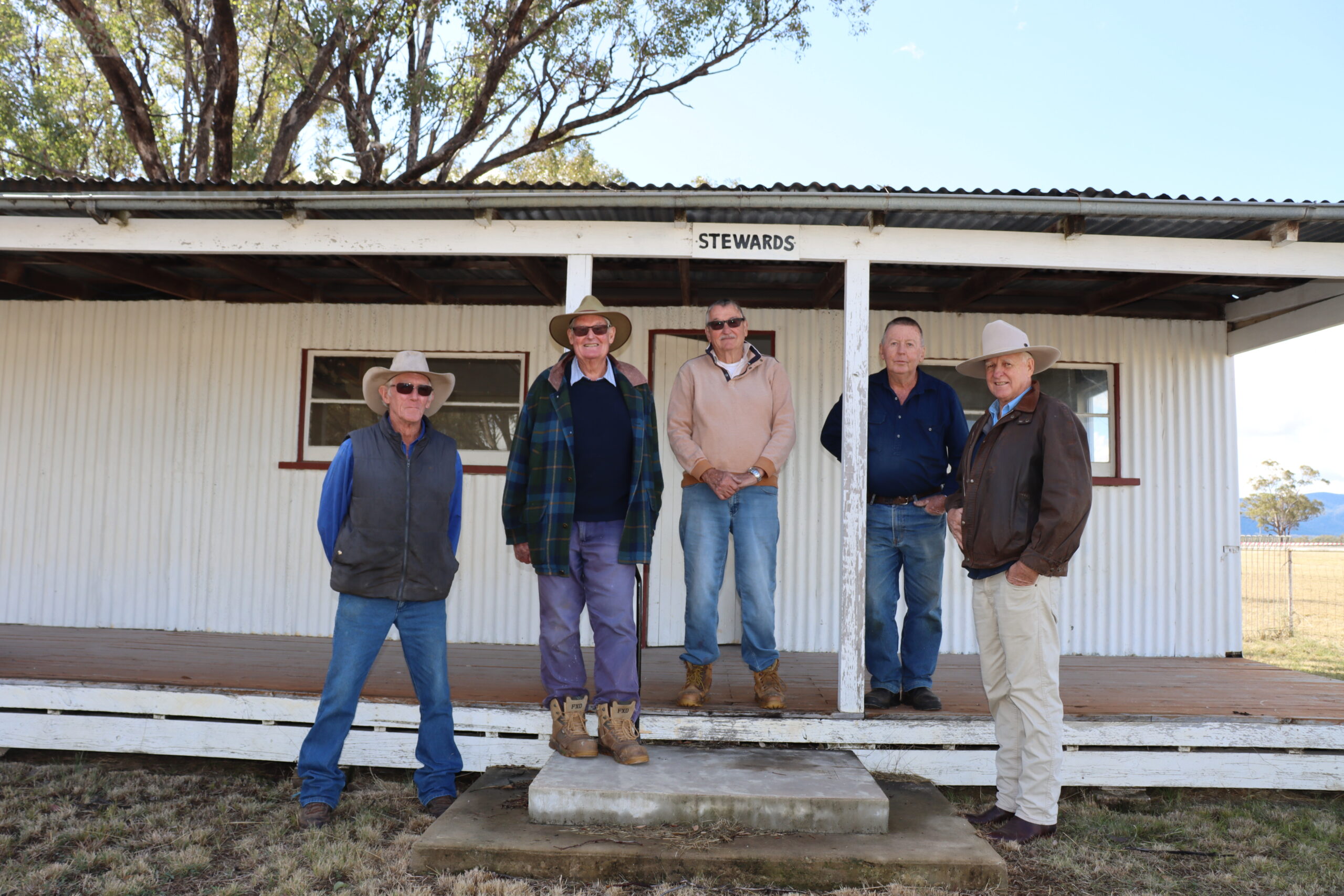
Life members and committee representatives recalled how the country race day had evolved over the years – from paddock horses and tea rooms to social media updates and contemporary racing technology.


Mark Rodgers, who spent about 10 years as the race committee president but has been involved with the Wean race day for decades, said members have devoted countless volunteer hours to the race club’s development.
Every building at the track has been built by volunteer labour – every post, beam and roof sheet carefully curated by those willing to give up their own time for the community event held only once a year.
In fact, Mark has painted that many railings, his painted-splattered boots still hang like a trophy from a nearby ceiling.
Although the club had held bridled or unregistered meetings in the early 1930s, it wasn’t later in the decade that the first registered picnic race was staged at Wean – a venue apparently decided by a coin toss.
The event once attracted up to 3000 people in its heyday with 10 races or more. Such was the popularity of some races, jockeys and riders were split into subgroups for walk-up starts with a handkerchief used as the race signal.
Life members also recalled the ‘consolation race’ that used to be held at Wean for participating horses yet to win on the day.
In the days before horse transport, it was common for picnic race jockeys to finish a day’s mustering cattle and then ride the same horse to track for a race start.
Up until the late 1960s, early 1970s, the Wean race meet was also renown for its competing paddock horses.
This involved the participating racehorses spending about a month in the paddock and either grass fed or grain fed – both which were handicapped accordingly in the nominated race.
“There was a lot of skulduggery that went on,” Mr Rodgers said.
The now retired post-race function also had a long history at Wean. From the early days in the Wean tea rooms – one of the first buildings constructed at the track – to the later years of an evening function in town at Boggabri, before the big B&S-style evening event at the track.
The 2022 Wean race meet was the first in two years owing to COVID lockdowns but club president Robert Groth said there was much to look forward to at this year’s event with renewed enthusiasm in the picnic race scene.
He commended the effort of his fellow committee members who have been integral to the race club’s survival.
“I cannot thank our committee members enough,” Groth said.
“They just keep turning up time and again.”
Provided the committee can attract a few more younger members to its ranks, he said the future looked bright for the Wean Picnic Races.
“It was started for the community, so hopefully we can it keep it going,” he said.
The 2023 race day will feature a six-race program, fashions on the field, canteen and bar facilities, coffee van, children’s foot races and entertainment, live music, Calcutta, book makers and mobile TAB.
Belinda Adamson from the Wean Race Club said it will be a fantastic day for all with plenty of entertainment for the children so the parents can relax and enjoy the day – the 90th anniversary of the Wean Picnic Races.
To order photos from this page click here