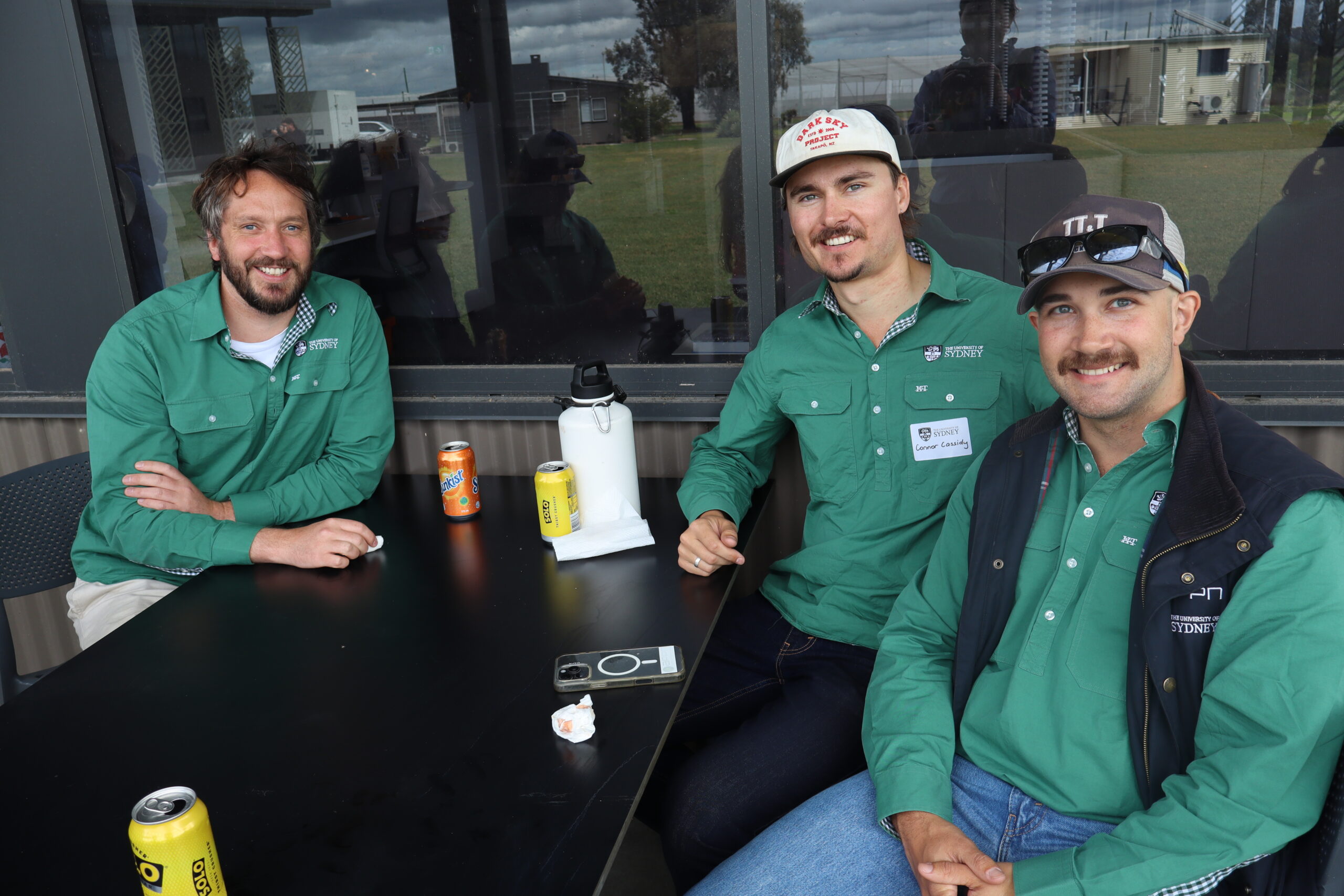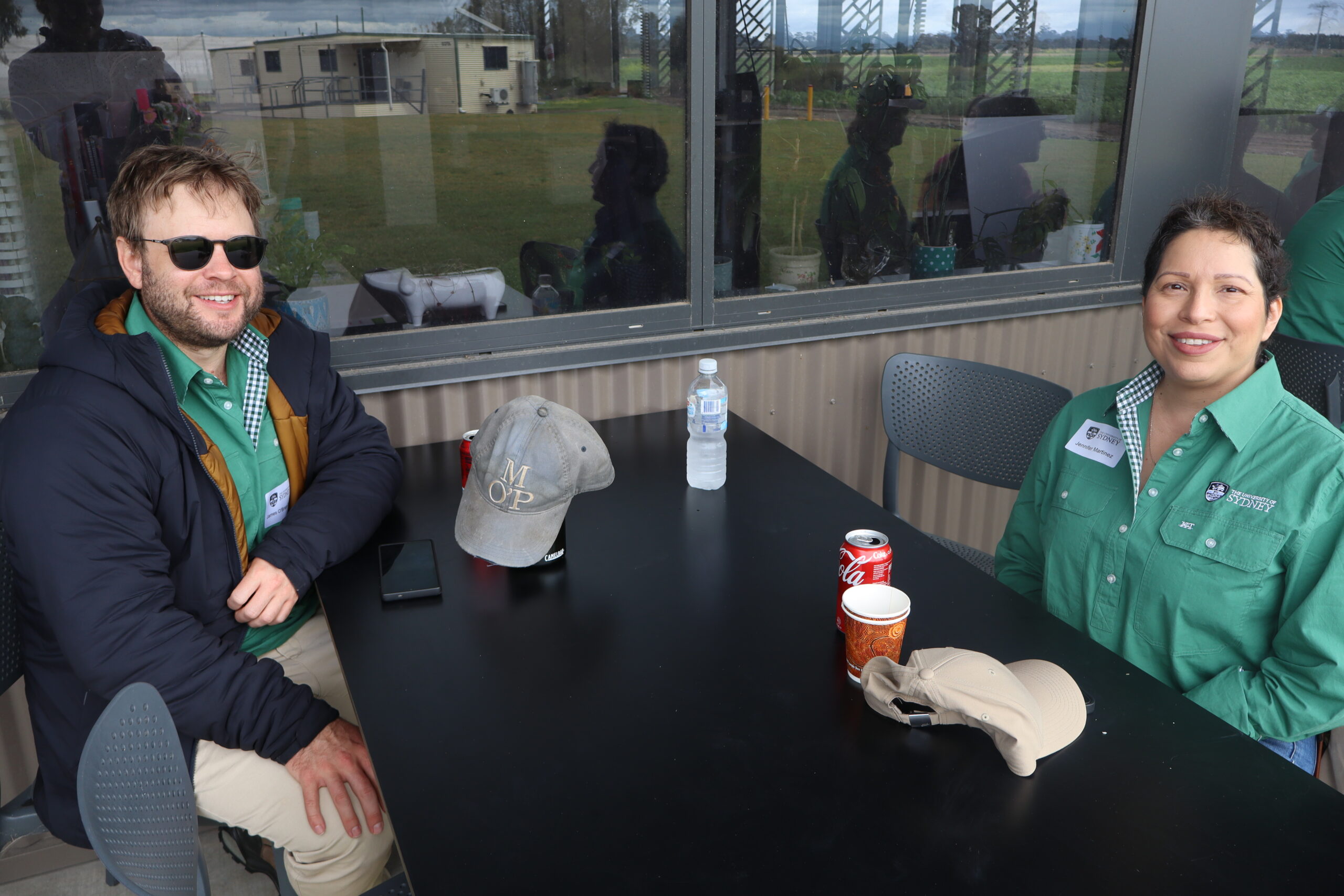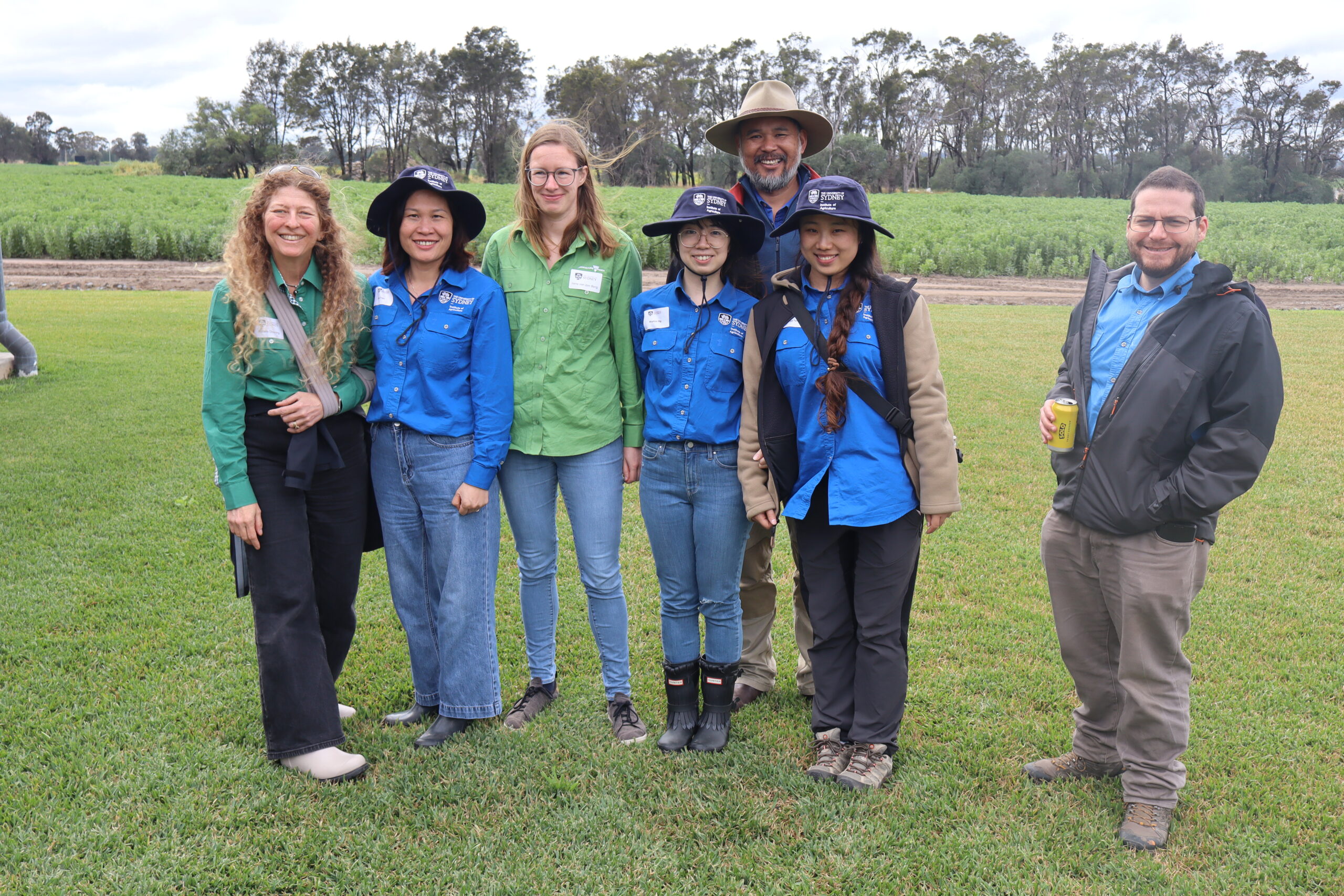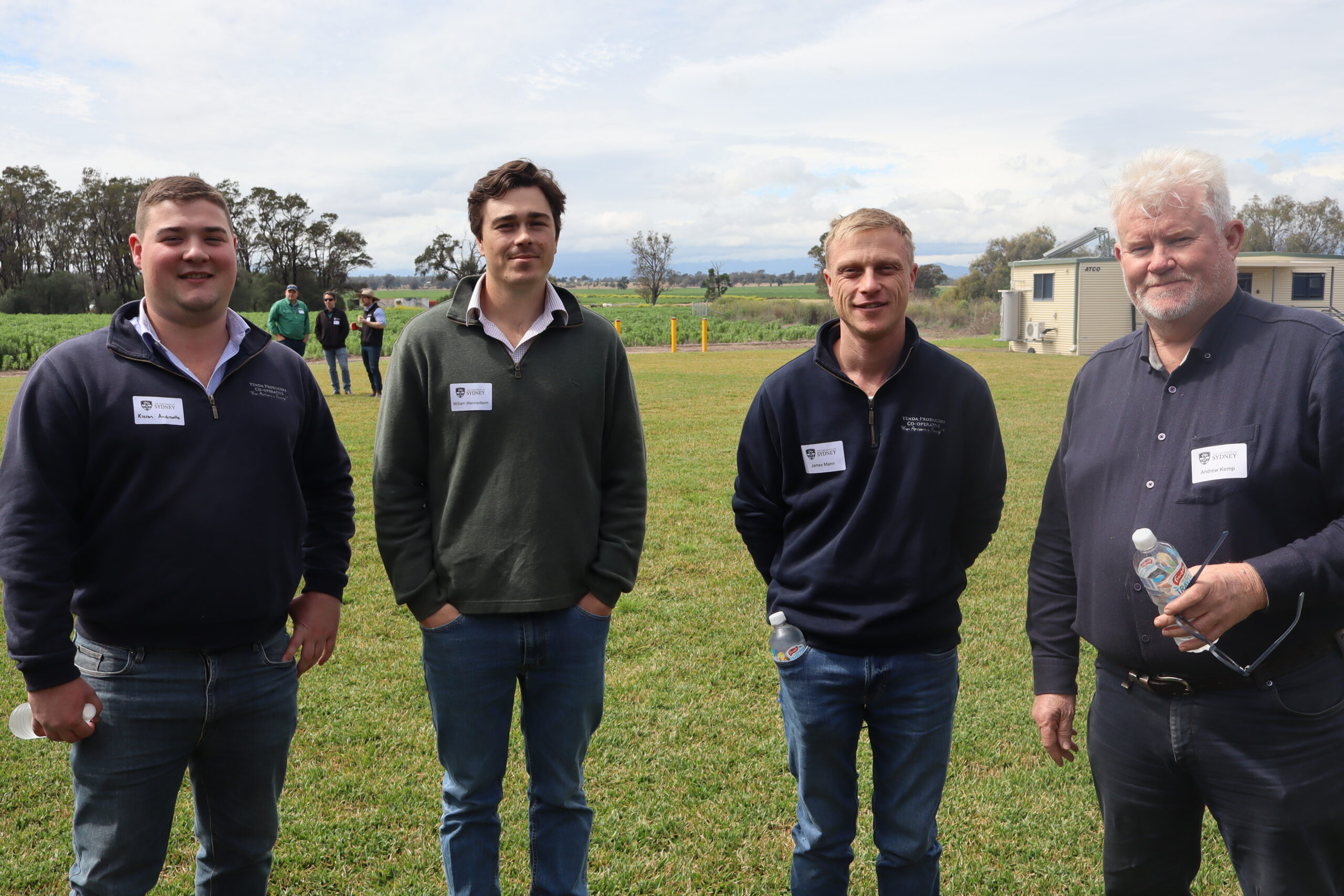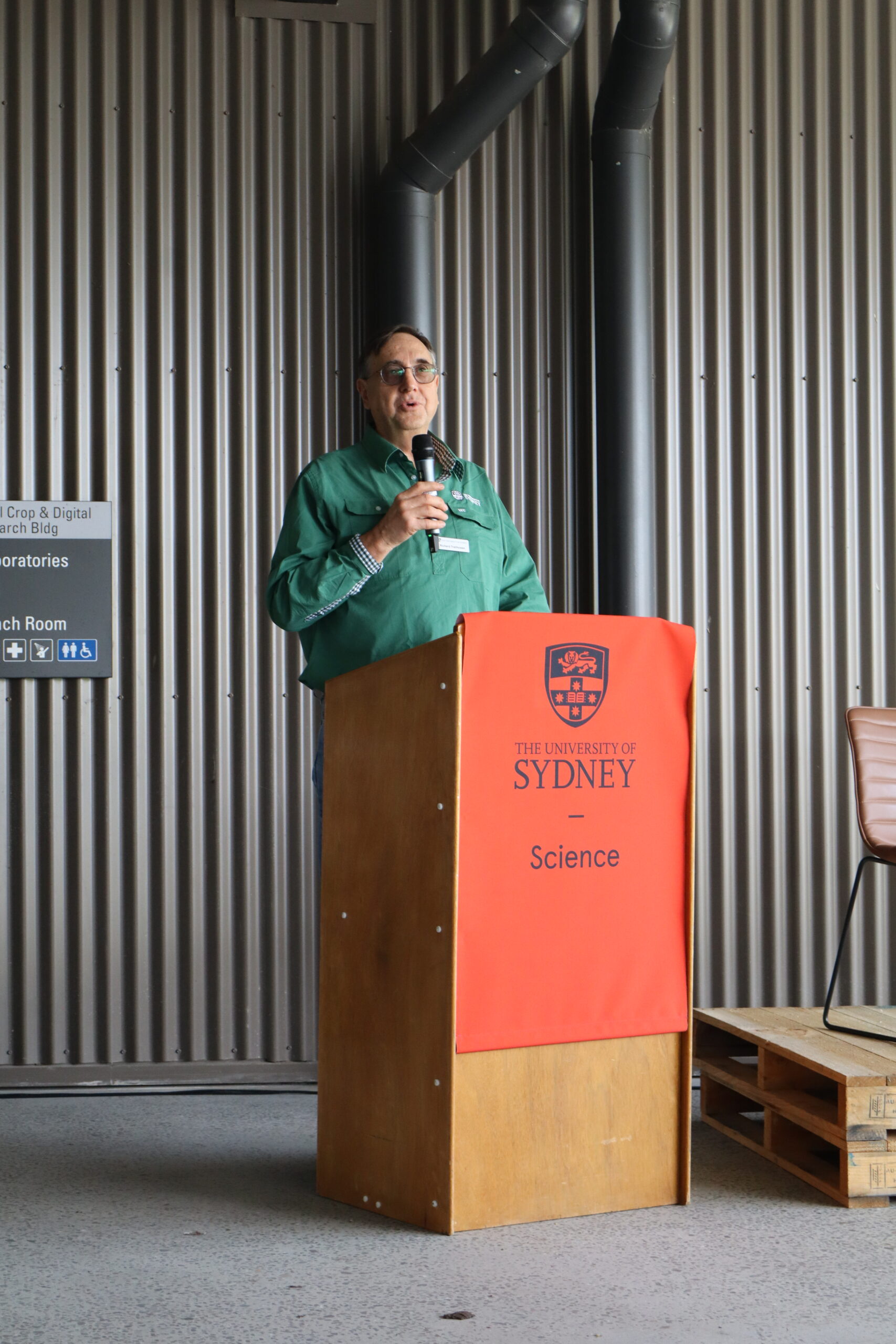



The University of Sydney Narrabri Plant Breeding Institute has provided excellent insight into agriculture yet again, showcasing new research and sharing knowledge and innovations with growers and other members of the farming industry.
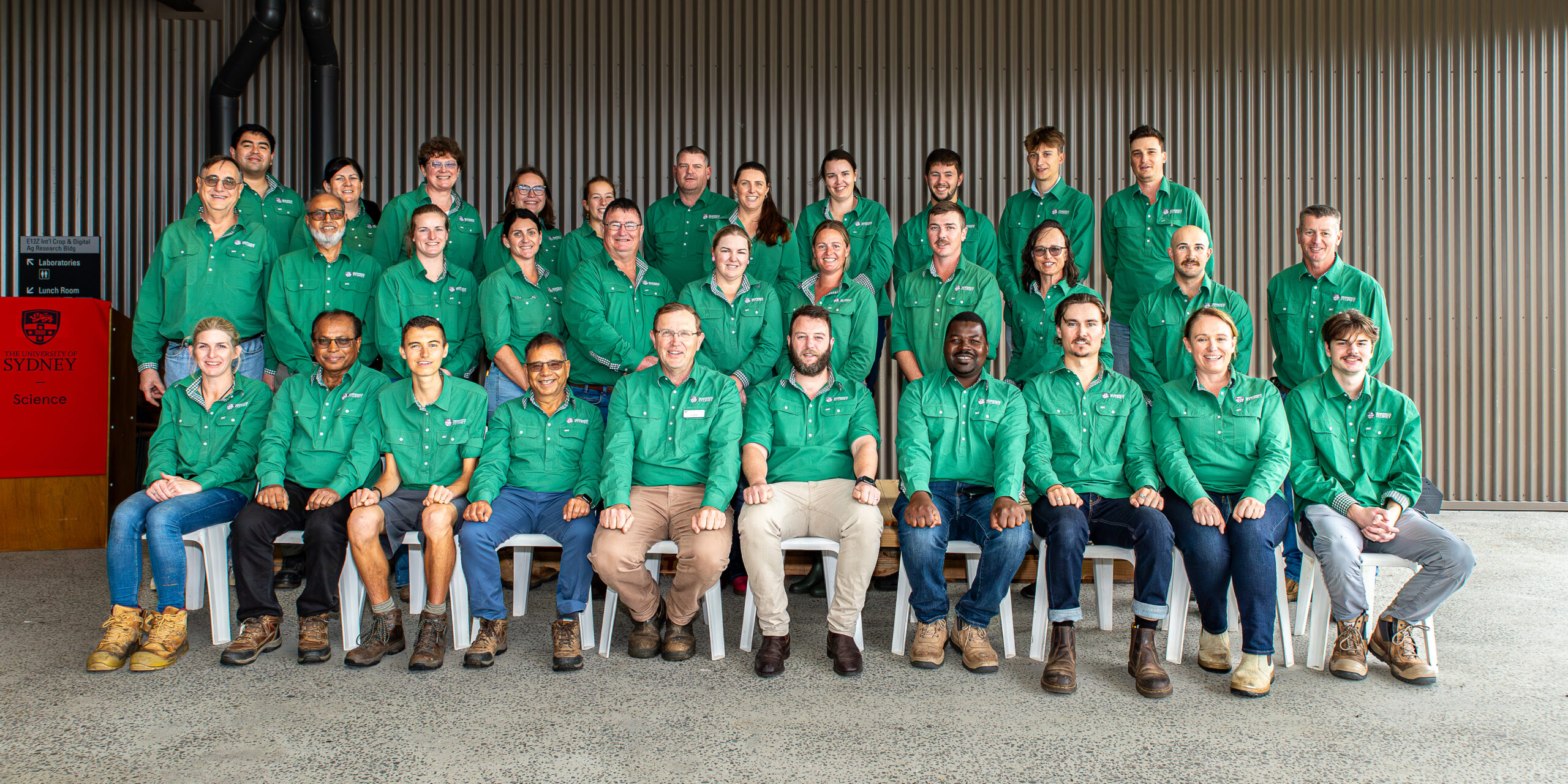
The Sydney Institute of Agriculture’s Narrabri team hosted its annual and highly anticipated field day on Wednesday, September 10 at the I.A Watson Grains Research Centre.
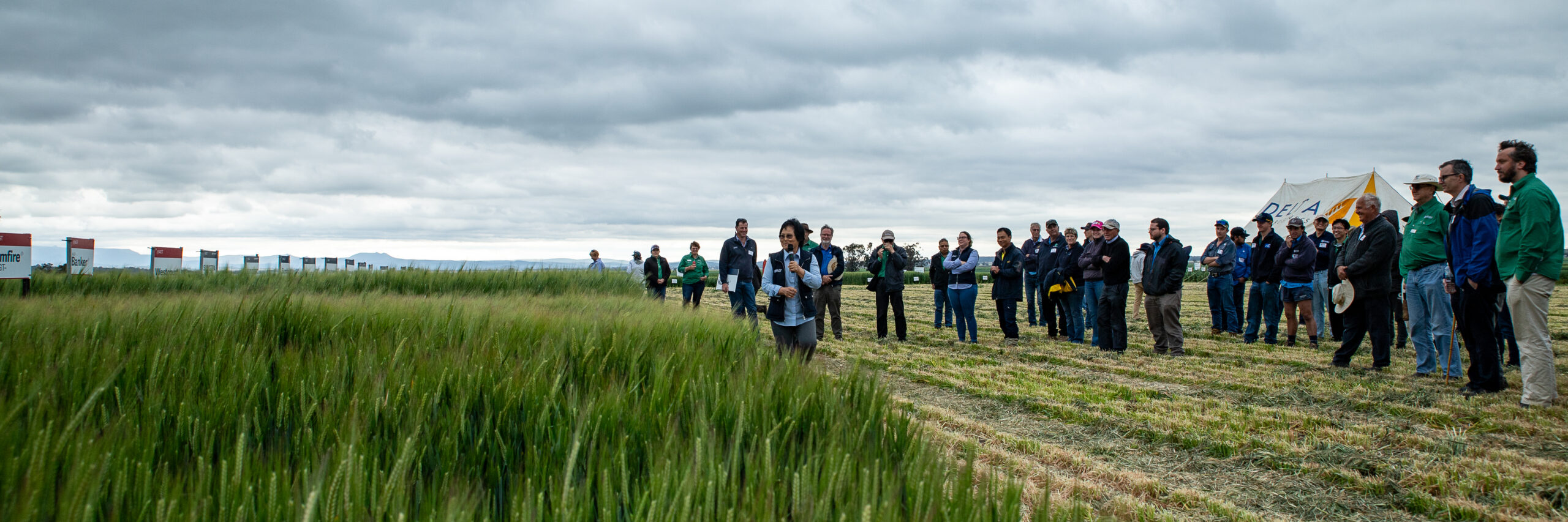
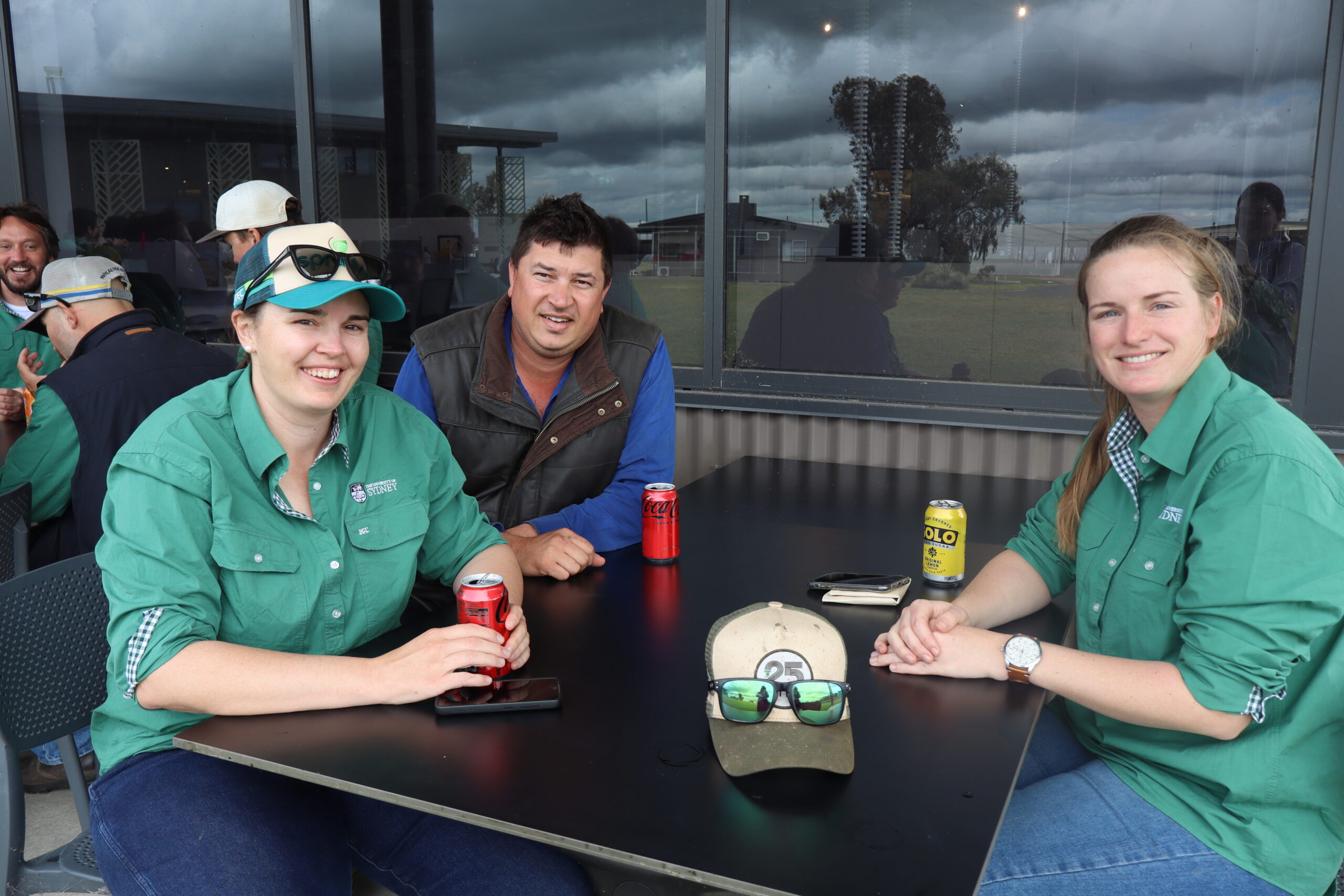
Even the predicted rain lingering on the radar couldn’t stop the half-day event, with nearly 150 researchers, staff, students, farmers and industry professionals attending the occasion.


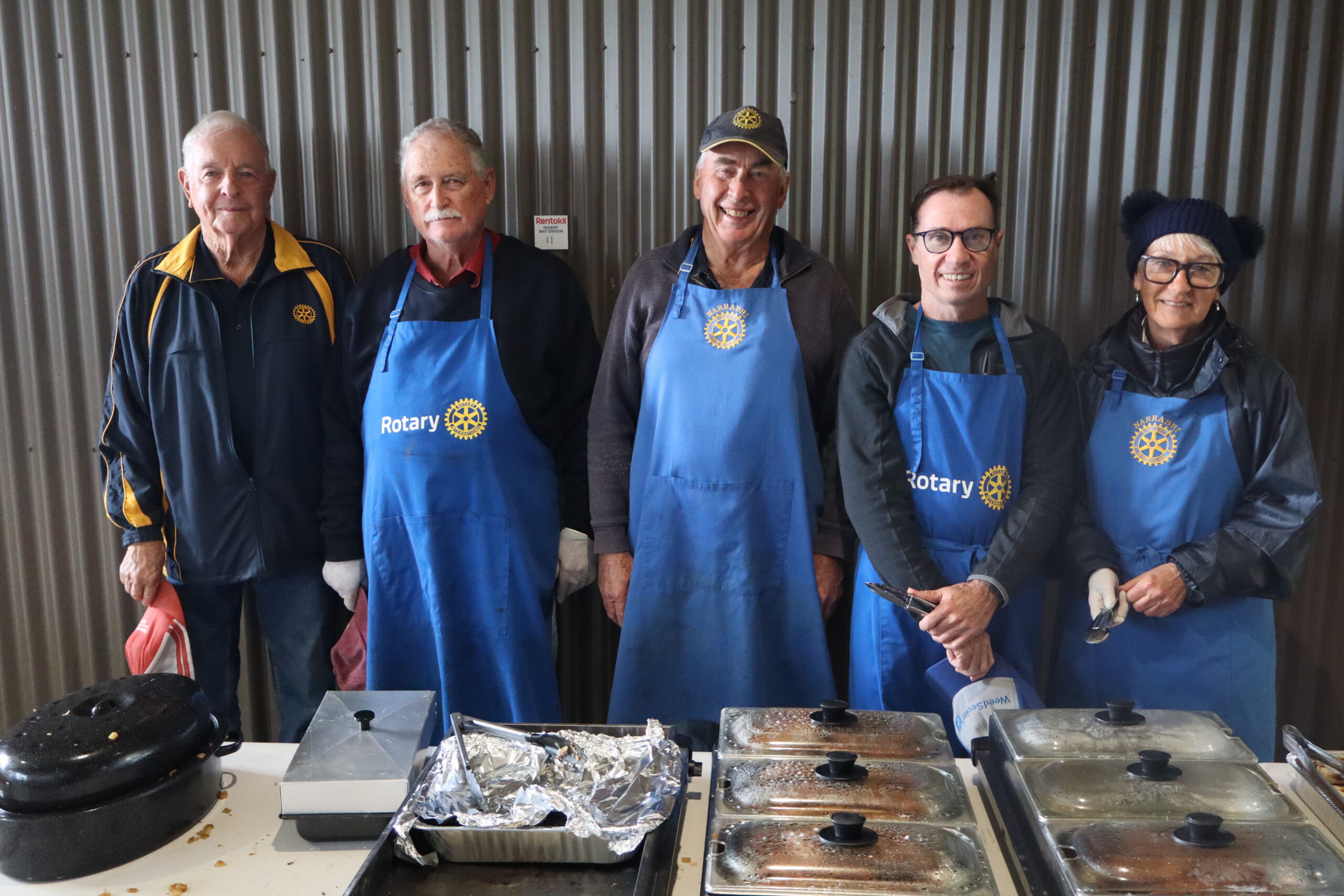
The field day staged a complimentary barbecue lunch, proudly cooked by Narrabri Rotary Club as well as four sessions to attend afterwards.
The afternoon’s events included a plenary panel session, a discussion from Australian Grain Technologies (AGT) and industry groups on their new varieties, and sessions on plant breeding, technology and farming systems.
The topic of this field day was all about ‘the grains of tomorrow’, partnering with the introduction of new faba beans, wheat and durum varieties.
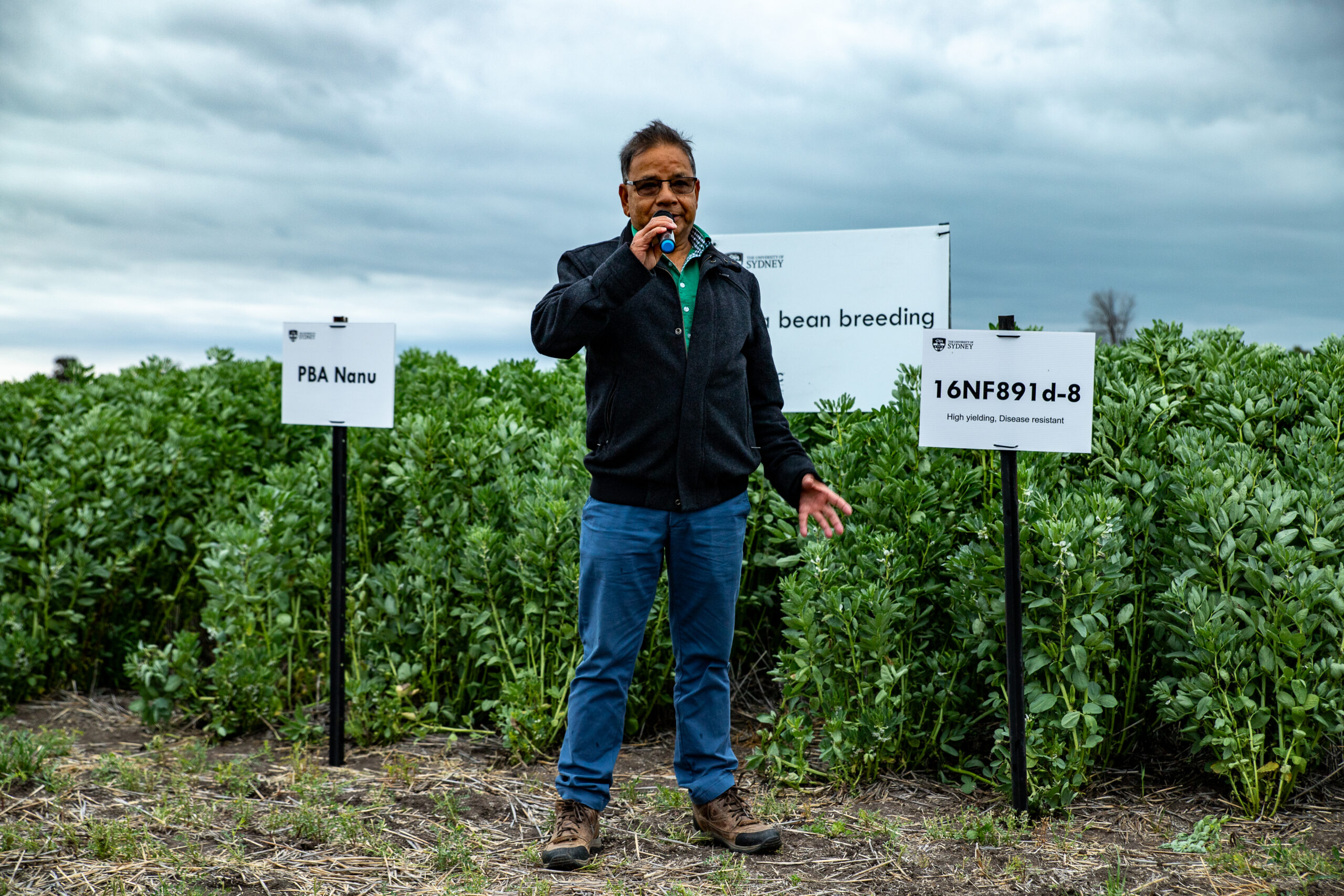
The new high yielding northern variety of faba beans, FBA Amara, is an early maturing variety, well adapted to the growing season in northern NSW and southern Queensland.
Where it has out-yielded all earlier released varieties by 4-11 per cent in the National Variety Trial (NVT) testing sites.
It has uniform and beige colour seeds, PBA Nanu and FBA Ayla, making it suitable for the human consumption market.
FBA Amara was developed by the University of Sydney as part of the GRDC’s investment, national faba bean breeding program, led by the University of Adelaide.
As for the new wheat varieties by AGT, there are three types in course: AGT-Kudos, AGT-Banker, and AGT-Rimfire.
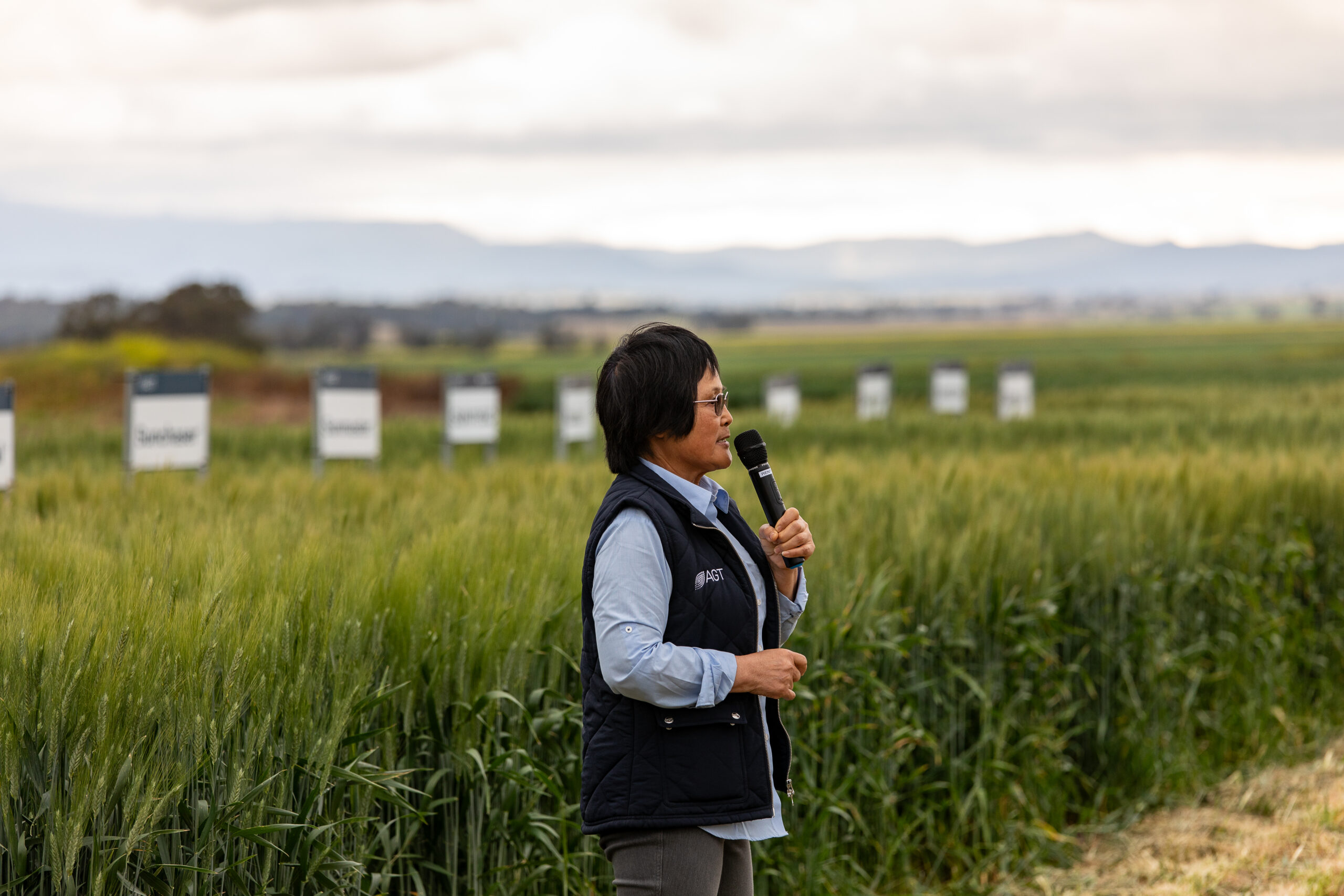
AGT wheat breeder Meiquin Lu explained in further detail key features of these varieties and the advantages they can offer.
“Our high performing wheat and durum lines are developed using advanced breeding technologies and are tailored for northern region conditions,” she said.
“The wheat variety has a similar maturity rate to lancer, with about 10 per cent higher yield in northern regions.
“Similar plant type to lancer, tiny bit taller and it has a very good tolerance on many popular diseases,” Meiquin said.
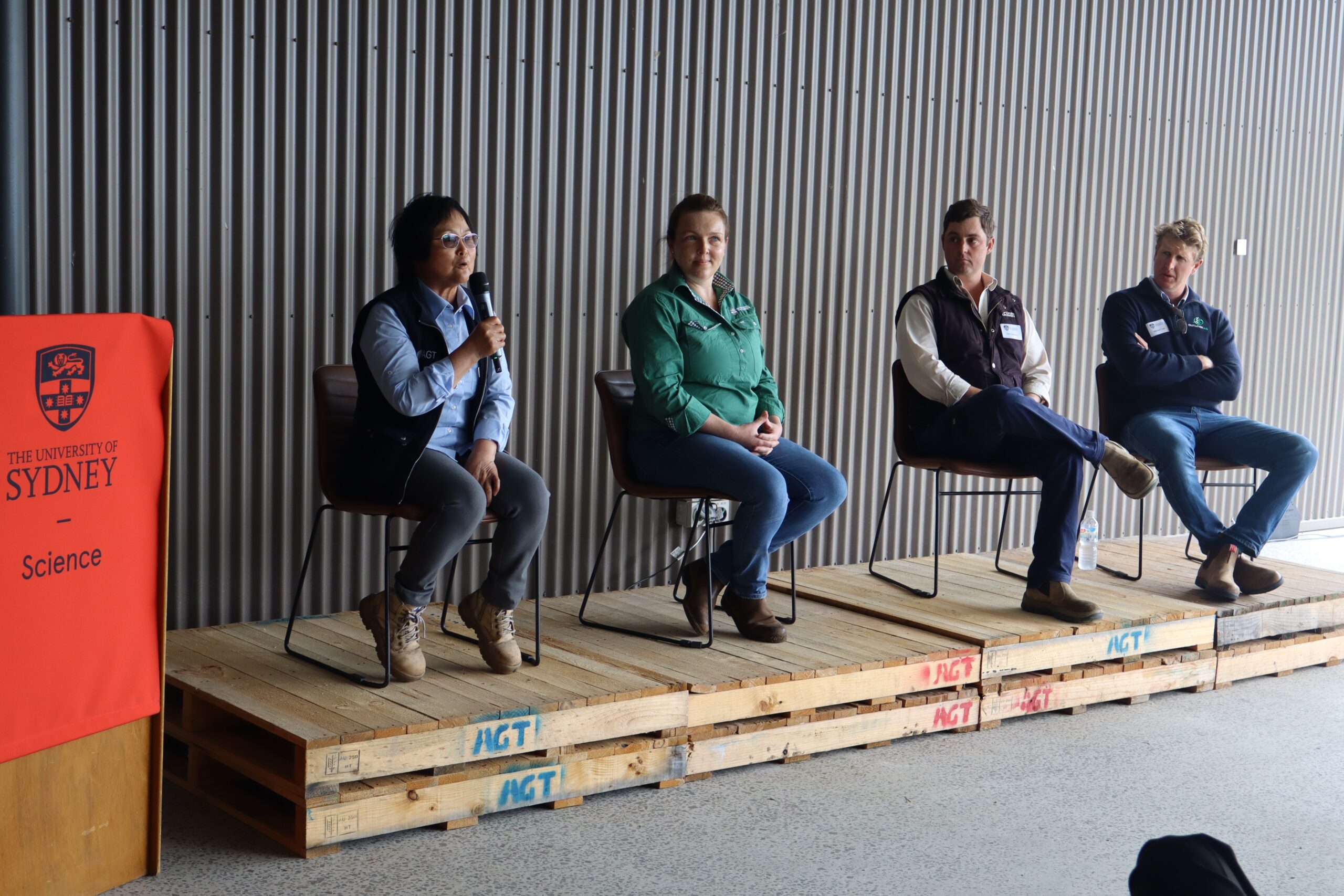
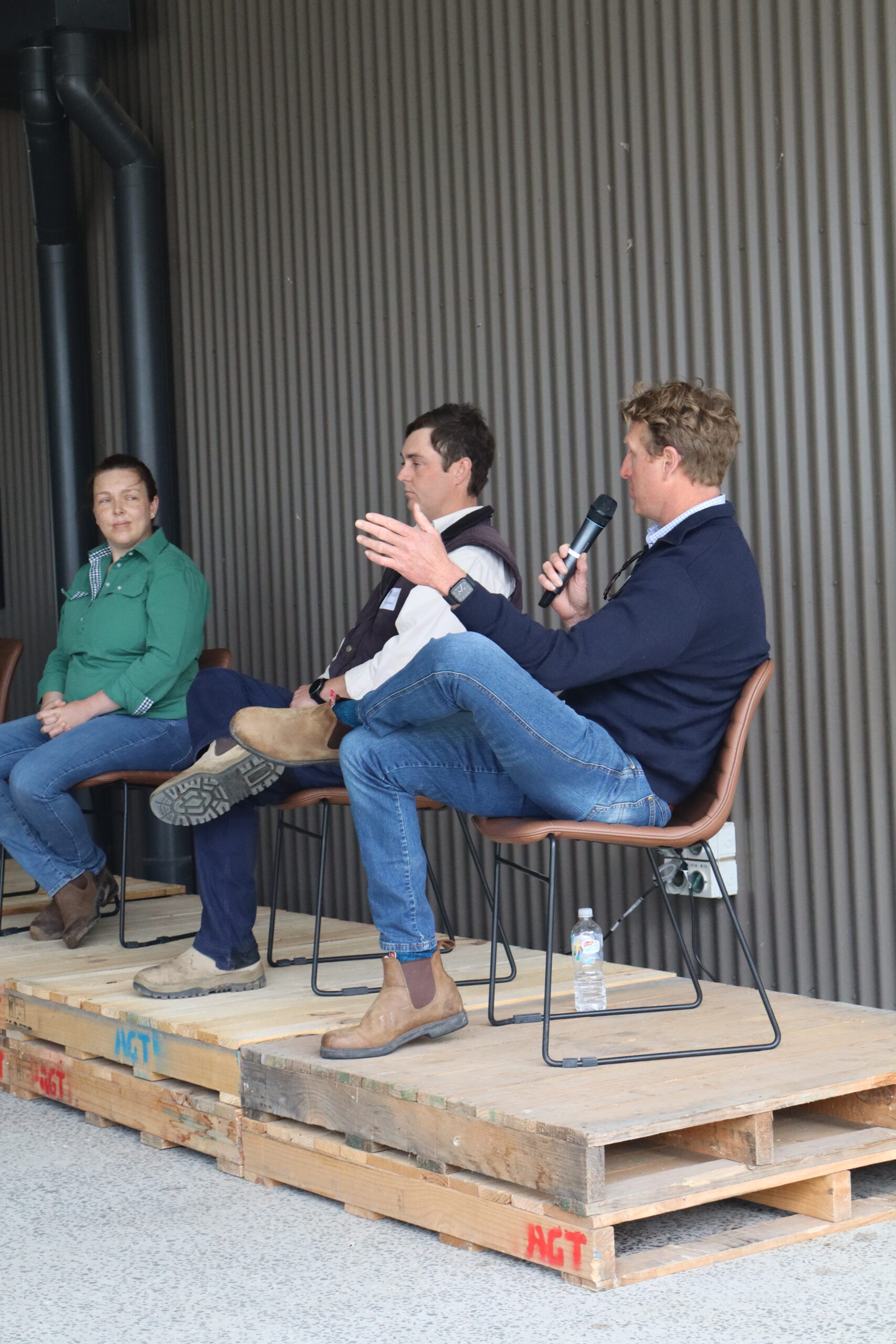
The panel session followed an interesting conversation, discussing the innovation and sustainability of grains leading into the future.
AGT wheat breeder, Phil Davies was the MC and introduced the following panelists: local farmer Tom Carberry, research associate for The University of Sydney Dr Rebecca Thistlethwaite, AGT wheat breeder Meiquin Lu, and Outlook Ag director Mitch Cuell to begin.
Session two offered an insight into plant breeding, with their Grains Research and Development Corporation (GRDC)-supported national genomic selection program, in collaboration with Agriculture Victoria, Department of Primary Industries and Regional Development (DPIRD) WA, and Inter Grain.
This program develops heat-tolerant genetics and tools to help breeders maintain productivity without compromising yield potential.