


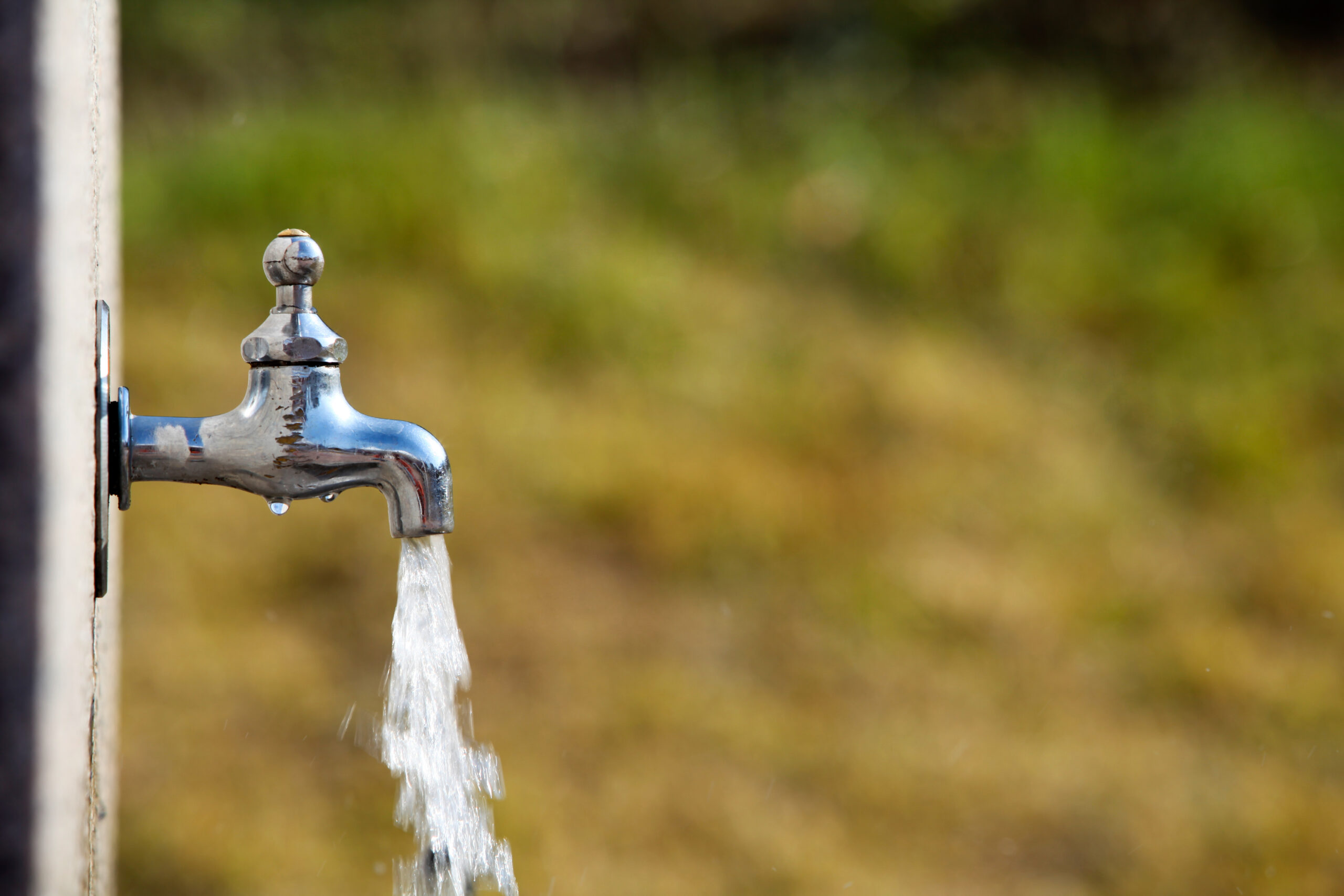
A reduction in water restrictions to level three has been described as encouraging by the state’s Department of Climate Change, Energy, the Environment and Water. However, the department noted there was still a long way to go.
“The NSW government has gone the extra mile to support Narrabri Shire Council since PFAS was found above the recommended consumption levels in two of the three town bores in November last year,” a spokesperson said. “This includes speaking to council’s water and sewer manager and infrastructure director almost every week since PFAS was detected to provide advice and technical support and this will continue.
“It comes on top of funding we provided to the Environment Protection Authority (EPA) to carry out the testing of private bores in Narrabri earlier this year after NSW Health completed free testing of the town’s water supply.


“Now we’ve gone one step further investing $50,000 in emergency funding to almost double the bore’s pumping capacity.”
The spokesperson said the department had fast-tracked the pump to get it installed on October 21.
“We’ve also been working closely with council for nearly a year to explore longer-term infrastructure solutions that will put them on the front foot when it comes to managing PFAS in the future,” the spokesperson said.
“The reality is this is a complex, challenging and evolving situation that we take very seriously which is why we are taking a whole of government approach and looking at all options.
“This includes new infrastructure such as converting test bores into production bores to provide access to water that is free of PFAS.
“It should be noted that PFAS levels in the Narrabri catchment are relatively low, so it has been difficult to determine the source of the PFAS
contamination.”
Given the very conservative nature of the health-based guideline values, deviations over a short period do not necessarily mean the water is unsuitable for consumption.
“As the guideline values are intended to minimise risk over a lifetime, any short-term exposure to PFAS concentrations above the guideline values are unlikely to change this risk,” the spokesperson said.
“The NSW government is currently considering the findings of the Parliamentary Inquiry into PFAS and will respond in due course.
To order photos from this page click here