


Guests are being urged to look up this spring at Taronga Western Plains Zoo.
As avid twitchers gear up for one of the biggest weeks in the bird-watching calendar, BirdLife Australia’s Aussie Bird Count, there’s no better place to whip out the binoculars.
“Taronga Western Plains Zoo is not just a zoo – it’s a living sanctuary where wild birds thrive, one of inland Australia’s true birding gems, right here in the heart of the Central West,” Senior Conservation Keeper Mark O’Riordan said.


“The Dubbo region is where east meets west, right at the transition from slopes and hills to the wide, open plains.
“With grasslands, wetlands, and woodlands all converging, the Zoo offers one of the richest bird habitats in inland New South Wales and a true hotspot for rare birds, including species you wouldn’t normally see on the coast.”
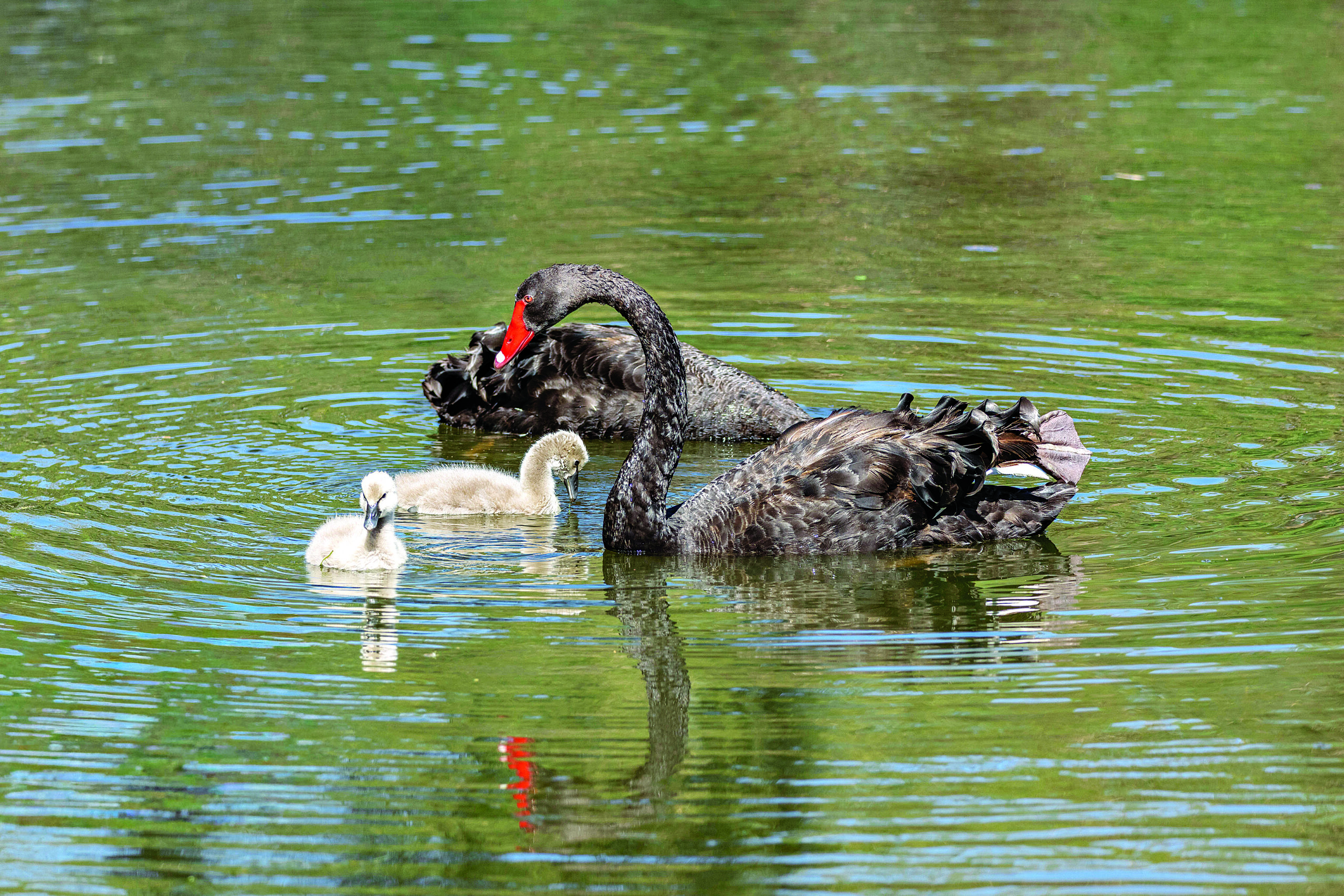
Birdwatching at Taronga Western Plains Zoo is accessible, with rich bird life able to be seen around the Savannah Lake from the comfort of Cafe Wild, and even in many of the exhibits alongside the Zoo’s critically endangered species from around the world.
Apostlebirds, Australian White Ibises, Blue-faced Honeyeaters, Galahs, Sulpher-crested Cockatoos and Superb Fairy-wrens are just some of the species that call the Zoo home, while eagle-eyed visitors could also spot an Azure Kingfishers from Cafe Wild, or kites and eagles soaring overhead.
Visitors have the option to walk, ride a bike, hire an electric cart or drive their own car around the five-kilometre, sealed one-way circuit road.
For those more adventurous visitors, the centre of the Zoo also features walking trails through woodlands home to robins and parrots among other species.
Birdwatchers are encouraged to report their sightings to BirdLife Australia by registering for the Aussie Bird Count, or the global citizen science database eBird.
“Every sighting plays a role in monitoring populations, tracking migratory movements, and gauging the health of ecosystems,” Mr O’Riordan said.
“It also raises awareness of critically endangered species such as the Plains-wanderer and Regent Honeyeater, both of which we are heavily involved in through their recovery programs, while fostering a deeper connection between people and the wildlife around them.
“Bird-watching is mindfulness in nature. It slows you down and helps you notice the little things all around you. It’s fun for all ages and while binoculars can be handy, they’re definitely not essential – you never know what you’ll see above your head or right at your feet at Taronga Western Plains Zoo!”
To order photos from this page click here