


In a world saturated with noise and misunderstanding, a fresh approach to communication is gaining ground—one built not just on speaking, but on listening, connection and structure.
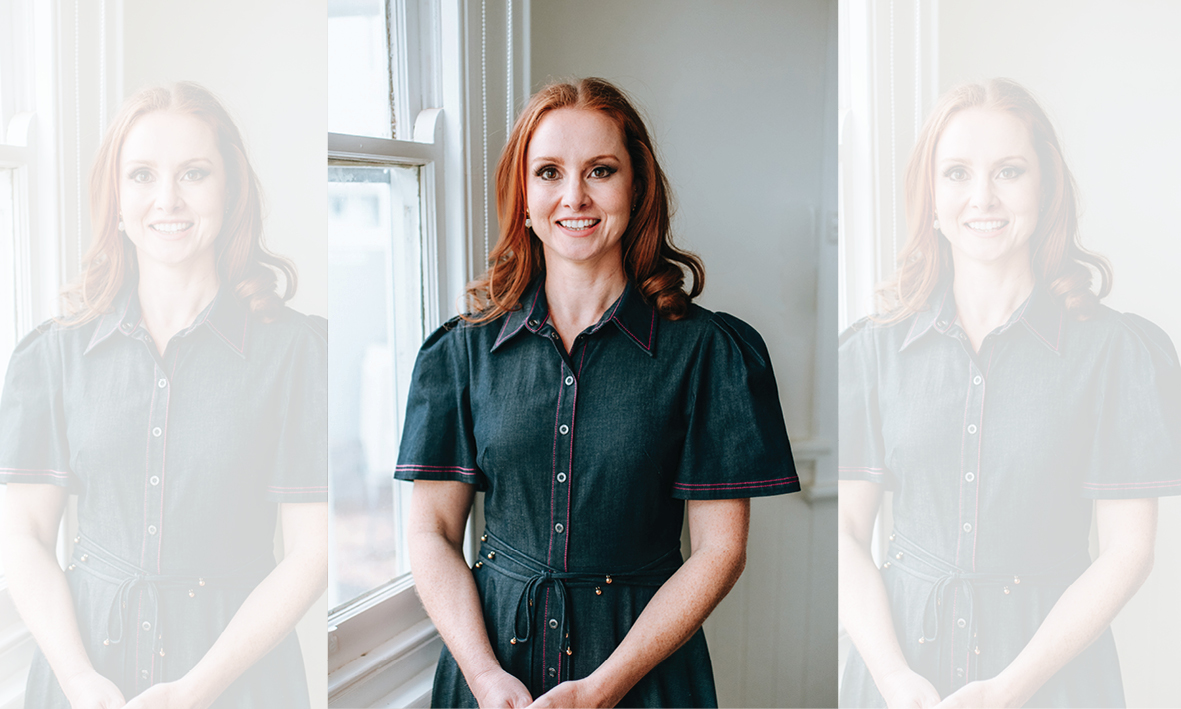
Let’s Talk TACTICS, a framework developed by clinical psychologist Malinda Guest and her practice Boundless Psychology, seeks to reimagine how we have conversations.
Based in Narrabri, Malinda has long been involved in delivering mental health support to regional communities.
Through her work, Malinda recognised that many initiatives encourage people to check in or ‘just talk’ to family, mates, and colleagues about mental health. However, people are often unsure what to do next or how to have these conversations.
This uncertainty creates a critical gap. People may recognise distress in others but lack the skills or confidence to respond effectively, leaving concerns unaddressed or escalating.
In response, she developed the TACTICS framework—a structured “how to” for conversations that matter. This framework is applicable in many settings – discussions around mental health and serious matters including succession planning, business transitions, in the workplace and for performance reviews as well as general day-to-day life.
“People were saying ‘That’s all well and good, but how do I actually communicate? How do I set a conversation up? How do I move through a conversation?’,” Malinda said.
“But then also, ‘How do I wrap a conversation up? How do I then end the conversation? How do I exit? How do I get out of a conversation if I’m not the appropriate person to be having the conversation with?’
“There’s so much more to it, rather than just saying, ‘Get out there, talk about it, ask open-ended questions and you’ll be fine’.
“That’s when I started to pull together my knowledge from psychology and communication around what is important?
“What are the key principles or key components of a conversation? And how to break that down so it can be an easy step-by-step process to educate and teach people how to move through conversations.
“That’s where this idea came up. Where I developed this idea around being tactical and strategic around conversations.”
What started as a tool for individuals has expanded into workshops, talks, and events of all sizes. TACTICS will feature at upcoming national events including the Rural Mental Health Conference as well as the Rural Allied Health Conference.
The framework has featured in small business and rural settings. In October 2024, Narrabri Shire Council teamed with Boundless Psychology to host Let’s Talk Tactics with Small Businesses as part of NSW Small Business Month. The event offered local businesses communication tools, resilience strategies, and a forum to strengthen local relationships.
Malinda recently appeared on the ABC’s The Country Hour, discussing the psychological and emotional dimensions of rural life—a topic closely aligned with her work on community, connection, and communication.
Frameworks like TACTICS may offer something surprisingly simple yet powerful. A reminder that meaningful communication is both an art and a skill. By structuring intentions and showing up with compassion, the gap between misunderstanding and connection shrinks.
As more workplaces, communities, and mental health advocates adopt this approach, TACTICS could emerge not just as a tool but as a mindset—one that says conversations are never trivial; they are gateways to deeper understanding and mutual care.
What is TACTICS?
Time & Place: Negotiate a suitable time and place.
Agenda: Set clear objectives and focus on key points you want to discuss.
Compassion: Show empathy, respect and kindness.
Talk it Through (Don’t Fix): Focus on listening and supporting rather than immediately offering solutions.
Initiate an Action Plan: Together, come up with the next steps to address the key points.
Communication: Maintain suitable openness and honesty throughout the conversation.
Support: Offer ongoing support and follow-up after the conversation.
By combining these elements, TACTICS aims to reduce misunderstandings, lower conflict, build connection, and promote better collaboration.
To order photos from this page click here