


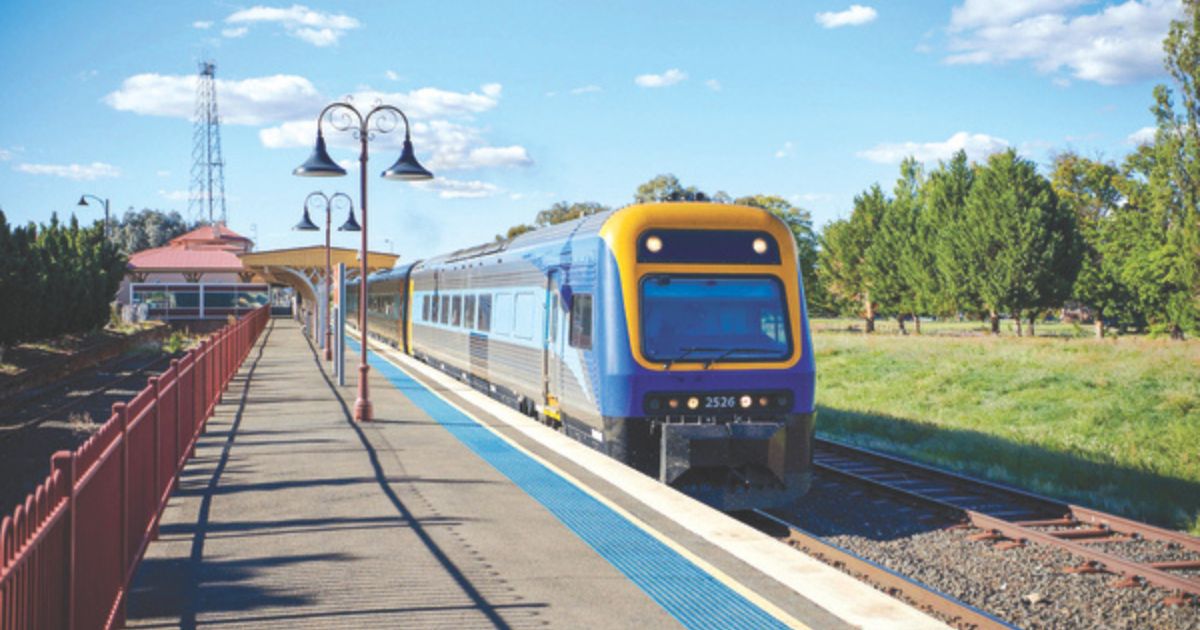
KEY transport priorities for the North West region have been detailed as part of the state government’s Strategic Regional Integrated Transport Plan.
The plan, described by the NSW government as a 20-year vision, defines the key transport priorities for the region to support community, land use and transport needs, now and into the future.
Improving road safety and increasing public transport options, particularly between towns and villages, features as part of the list of initiatives for the region.


Supporting day return journeys between towns is among the medium term initiatives which could be addressed in the next five to 10 years.
Routes that could be considered include Narrabri-Boggabri-Gunnedah, Tamworth-Gunnedah, and Tamworth-Narrabri-Moree.
Progressing a coordinated program of corridor assessments for state road routes, and proactively plan, secure funding and deliver improved safety, network performance, resilience and freight outcomes that support population, employment, logistics and tourism growth is also among the recommendations.
Priority east to west corridors include the Oxley and Gwydir highways. The assessment of corridors should also consider the Kamilaroi and Newell highways.
Improving rail freight capacity to the Hunter Valley network and Port of Newcastle is a priority, particularly for Narrabri, Gunnedah and Liverpool Plains Shires.
The 118-page draft report also details existing transport options in the region across road, rail and air.
Minister for Roads and Regional Transport Jenny Aitchison said the New England North West is a region of diverse landscapes, economies and communities.
“As a social determinant of health, education, opportunity and jobs, transport is fundamental to meeting the needs of these communities while maintaining social inclusion and building resilience,” Aitchison said.
“Our Strategic Regional Integrated Transport Plan is a blueprint focused on short to medium-term deliverables, while maintaining an eye on a long-term vision for the New England North West.
“This plan is outcome focused, designed to acknowledge the diversity of the region’s communities and effectively address their evolving transport needs.
“Improved transport services linking key centres across the region is not just good for our people, but good for our economy, particularly as we go through a once-in-a-generation economic shift with the Electricity Infrastructure Roadmap and the work to support renewable energy zones (REZ).”
Aitchison said cross-border movements, between NSW and Queensland, continue to provide their own unique set of challenges.
“While the Memorandum of Understanding for CrossBorder Collaboration we signed with the Queensland government in 2024 was a step in the right direction, integrating cross-border transport services and managing issues such as differing state regulations, public transport fare structures and ticketing systems, will require continued collaboration with crossborder agencies,” she said.
Public submissions for the draft plan are due to close this weekend.
To order photos from this page click here