


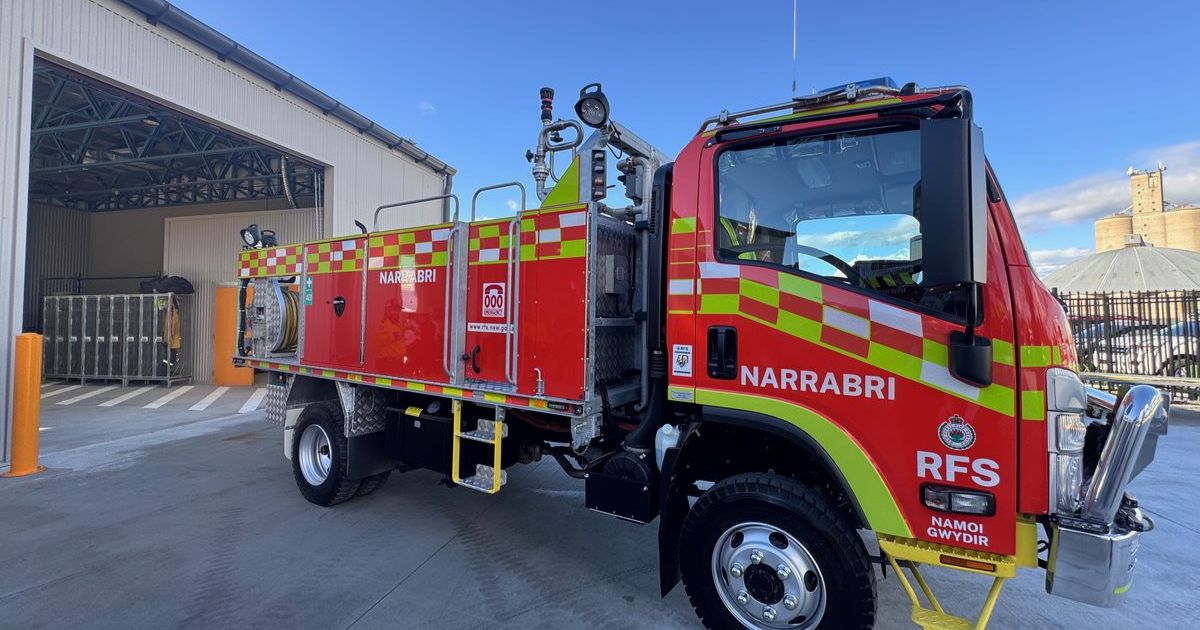
AFTER years of campaigning by councils across NSW, the state government has announced it will take ownership of the Rural Fire Service’s red fleet of more than 6,000 firefighting vehicles currently carried on local government balance sheets.
Country mayors, regional councils, local representatives and emergency services leaders have welcomed the major reform, which is expected to take effect from 1 July 2027 following a year of engagement with councils.
The reform will consolidate operational responsibility for the red fleet under the state government for the first time since the RFS was established almost 30 years ago.


“Having the red fleet off the balance sheets of local councils is a big win for local government,” Local Government NSW president Darcy Byrne said.
“Many councils that are struggling to overcome financial constraints will be relieved to have this problem resolved.
“We look forward to working with the government to ensure a successful transition over the next 12 months.”
Narrabri Shire mayor Darrell Tiemens said councils across NSW have been “pushing for this for a long time”.
“A really odd situation where the RFS fire trucks and buildings technically sat on our balance sheets…but we had no effective control over them.
“And it caused all sorts of accounting issues.”
Member for Barwon Roy Butler said removing the red fleet from council balance sheets will provide much-needed financial relief to regional and rural councils.
“This is a big win for councils in the bush that are already doing it tough,” he said.
“It frees up council balance sheets, reduces unnecessary administrative pressure, and allows councils to focus on delivering the local services our communities rely on,” he said.
“It’s not fair that councils have been financially responsible for depreciating assets that they don’t control,” Mr Butler said.
“The simple fact is that the RFS operates these vehicles, and it makes sense that the state takes ownership. This change finally aligns reality with accountability.”
Emergency services minister Jihad Dib said the reform was part of a broader effort to modernise the state’s firefighting capability and support volunteers.
“We are planning for the future and investing in our firefighting fleet and facilities to strengthen community safety and the resilience of our emergency response,” he said.
“This reform is the next step in making our frontline services fit for the future, giving local communities and our RFS volunteers the support they need.”
He said the establishment of new regional maintenance hubs would also support local jobs and ensure communities benefited from the investment.
RFS commissioner Trent Curtin described the announcement as “a landmark and momentous reform” and one of the most significant investments in our operational capability in recent years.
“Our firefighters rely on these vehicles every day in some of the most demanding and unpredictable conditions, and it is essential we equip them with a fleet that is safe, reliable and fit for purpose,” he said.
“This reform establishes, for the first time, a consistent and modern approach to fleet management across NSW.
“It strengthens safety, improves reliability and ensures our members are always ready to respond when communities need them most.”
The Country Mayors Association represents 89 rural, remote and regional council members.
Chair Rick Firman said: “We have worked hard with the government to remove the RFS assets from our books to reflect the current reality that these assets are operated by the RFS, not councils.
“Minister Dib as well as the Treasurer have both always made time to meet with us to discuss this most important issue.
“They realise that we need strong councils in the bush, and this decision will go some way to assisting with our critical issue of financial sustainability.”
Local government minister Ron Hoenig said councils had made it clear the existing arrangements no longer reflected operational reality.
“The government has now accepted a pathway that aligns ownership with operational responsibility while recognising the continuing and important role councils play in bushfire prevention, hazard reduction and emergency management,” he said.
“Councils remain valued partners in protecting their communities, and this reform provides greater clarity about responsibilities while reducing an administrative burden that councils have consistently raised.”
To order photos from this page click here