



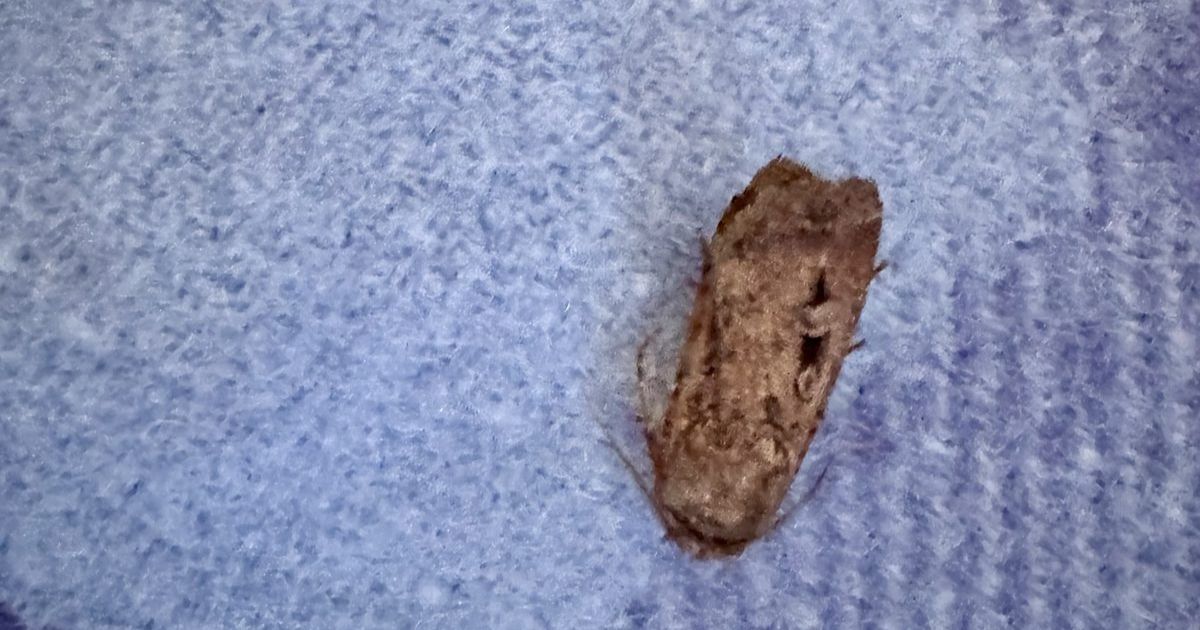
More Bogong moths fluttering around lately?
You’re not alone. The Courier’s Topical correspondent has received lots of reports and sightings from readers across the district.
And there’s a good reason: the moths are on the move, beginning their annual spring migration from inland breeding areas towards the cooler Australian Alps.


Bogong moths emerge as adults in spring and can travel hundreds, and sometimes more than 1,000, kilometres to reach the mountains, where they shelter in cool caves and rocky crevices over summer.
This year, however, people across NSW are reporting unusually large numbers, with researchers describing the increase as an encouraging sign for the endangered species after its population suffered a dramatic decline during the drought years.
Bogong moths play an important role in the ecosystem, providing food for native wildlife including the endangered mountain pygmy-possum.
Dr Marissa Parrott told the ABC it was brilliant to see the bogong moth population “bounce back”.
“We are so excited to see the numbers of bogong moths right now, it’s the best year in nearly a decade for them,” she said.
According to the Squiz podcast, homes across the east coast of Australia have also been hosting unexpected swarms of bogong moths making themselves at home in cars, bedrooms, and, well, anywhere really.
“They’ve got lost on their migration from inland Australia to the Australian Alps – blown off course by strong winds and confused by city lights,” explained the Squiz.
Experts are telling us that the moths will move on soon, and they’re encouraging us all to help track their migration by sharing photos of the moths at mothtracker.swifft.net.au/.
The Better Homes and Gardens website says Bogong moths are harmless to humans and pets, and do not eat fabrics.
“If you find a Bogong moth inside your home, experts recommend you use the ‘Aussie spider technique’ – a container and piece of paper – to gently take it outside,” it says.
To order photos from this page click here