


Namoi Water has raised concerns about a petition presented to NSW parliament that calls for an investigation into the impacts of floodplain harvesting as part of broader pitch for a federal royal commission into the Murray Darling Basin Plan.
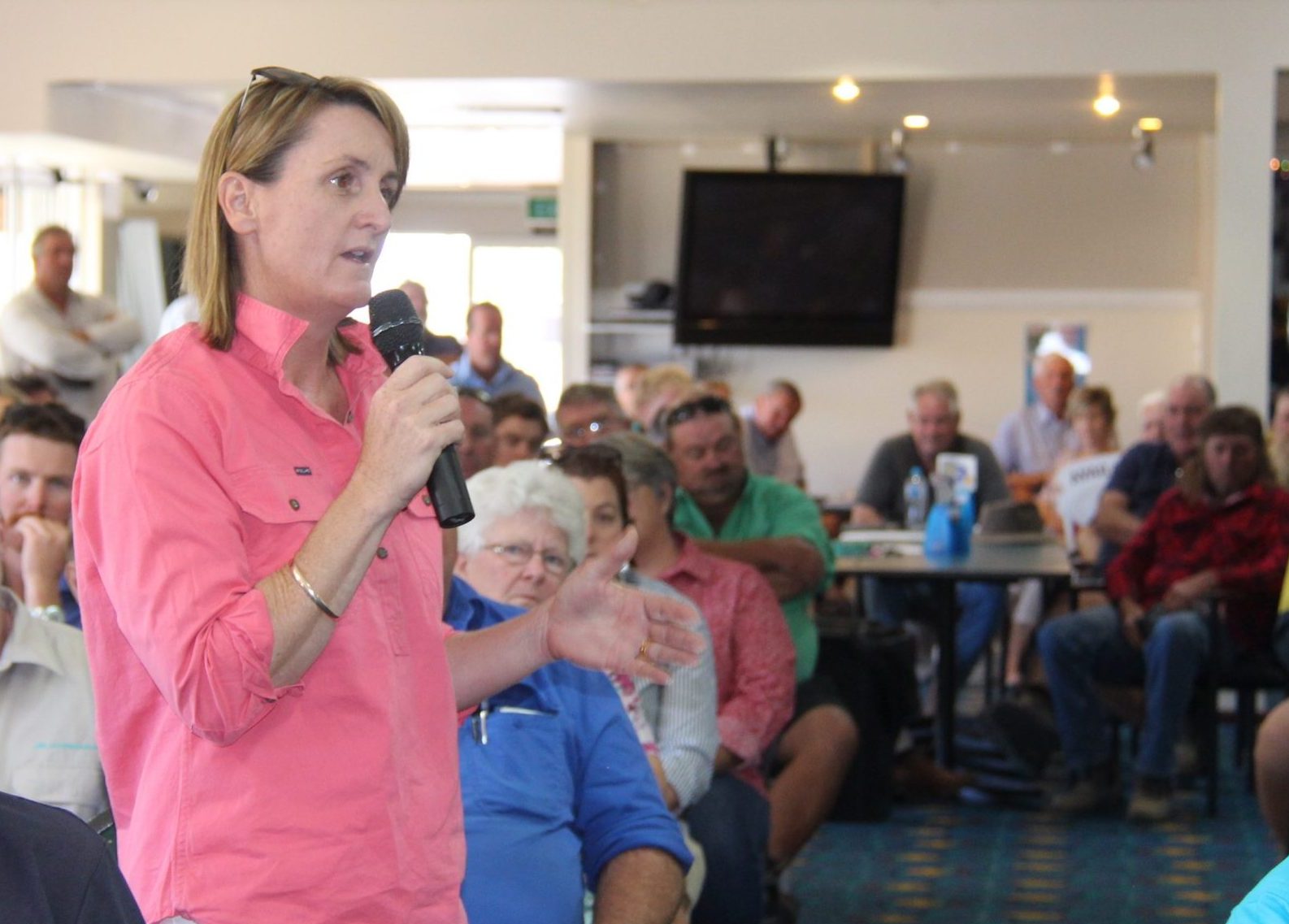
“Floodplain harvesting is a legitimate practice in the northern basin,” said Namoi Water’s executive officer Jon-Maree Baker.
“Floodplain harvesting works are required to have a flood work approval which is the licence of the physical infrastructure on farm.


“It’s been encouraged by 30 or 40 years of government policy.
“They’ve got 11,000 signatures on their petition but how many people who signed the petition actually understand what floodplain harvesting is?”.
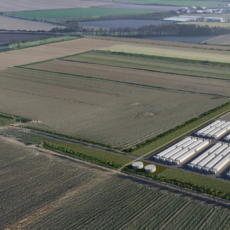
Floodplain harvesting is the capture and use of water flowing overland on a floodplain during a flood event.
It is not necessarily the water that has broken the bank of a river or water that would necessarily flow back into a river.
It is an important source of water for the agricultural industry and most farm infrastructure started as flood protection works to prevent damage to crops, homes and roads.
“We’re looking forward to being able to have floodplain harvesting volumetrically licensed so that there’s community confidence around how it’s regulated, rather than an irrational fear that floodplain harvesting takes all of the water,” said Ms Baker.
“And really for a farmer in a flood their first focus is managing water coming off their fields and they do that to one, maintain productivity and two, so that they’re not doing any damage to their internal infrastructure.”
The ‘Speak Up 4 Water’ group petition was presented to parliament by Shooters Fishers and Farmers, Member for Murray Helen Dalton and was debated last week.
Once a petition reaches 10,000 signatures, NSW Parliament is obliged to debate it.
The ‘Speak Up 4 Water’ group is based out of the southern Riverina region, NSW.
“We would not support a royal commission into floodplain harvesting because I don’t believe that those that proposed the royal commission have any understanding of floodplain harvesting and I actually think that there are those who have a vested interest,” said Ms Baker.
“From the southern basin perspective, any increase in flows out of the northern basin contribute to supply and volumes to South Australia, so of course anyone that’s on that system would absolutely be looking north with the view that the more water you supply, the less I have to supply therefore my reliability goes up.”
While Member for Barwon Roy Butler hasn’t officially supported the petition, he did attend a press conference with the ‘Speak Up 4 Water’ group and his SFF colleagues including Ms Dalton about the petition.
Mr Butler’s office said that petitions aren’t voted upon and that the Member for Barwon spoke during the petition debate in support of transparency and accountability.
“If this House does not support a Federal royal commission it is acting against the wishes of the majority of the people we are here to represent. It is time to listen to the people— to support a Federal royal commission,” Mr Butler said during the debate.
Namoi Water is urging Mr Butler to invite his colleagues and those who have signed the petition, to the northern basin to gain a better understanding of floodplain harvesting.
“Have they made any effort to come to these valleys to understand the issue?” asked Ms Baker.
“And the answer I suspect to that question is ‘no’, so you’ve got 11,000 signatures from people who don’t understand the issue.
“Before they even vote on this issue they should absolutely come up here and have a look at floodplain harvesting and I think that the best statistic that I can give you is – there are 22,000 gigalitres of headwater storage in the south and there are 4,900 gigalitres of storage in the north.
“So they have four and a half times more headwater storage than us.
“And on-farm storage is kind of a holistic management, where our water hasn’t been able to be delivered on demand, unlike the southern basin, our water is often delivered in a block release and so we actually have to store it on-farm and it’s been an encouraged practice because it’s best management practice on a farm, from an environmental perspective.”
Ms Baker said it would be “concerning” if Mr Butler supported a petition that called for an investigation into the impacts of floodplain harvesting.
“It’s probably a bit concerning to communities that are actually impacted.
“And so as a community, I guess we would like to ensure that our local member is ensuring, he fulfills his policy platform – which was a commitment to the protection of property rights and legitimate property rights so this is a transfer of the 1912 Water Management Act.
“It’s a right of expectation that we’re now volumetrically converting that to limits under what we call our cap limits.
“Rather than presenting or supporting an 11,000 signature petition, what’s actually been done to ensure those people that are in parliament, particularly the politicians understand floodplain harvesting.”
In response Mr Butler said, “The draft terms of reference for an independent inquiry into water management that I have presented include the fair translation of prior rights.
“I have spoken many times about the protection of property rights for people that have a legally acquired asset in water and Government either needs to deliver on their property rights or compensate willing sellers fairly.
“To my understanding I am the only Member of Parliament to advocate for the protection of property rights.
“Government is trying to take water by stealth through rule changes – I will seek to block Government should they move to make these changes,” said Mr Butler.
Mr Butler’s office also said that separate to and independent of the ‘Speak Up 4 Water’ petition, SFF released its policy – ‘Strategy on Murray Darling Basin water management’ – prior to the NSW Election last year.
Regarding floodplain harvesting it states,” The NSW Government should halt future floodplain harvesting plans and conduct robust scientific assessments of impacts, and clear definitions of the different types of floodplain harvesting. Once this is done, the government must use satellite technology to measure and properly regulate the different forms of floodplain harvesting.”
Namoi water said that this has already been fulfilled with an independent review of floodplain harvesting having been completed in 2019.
Since the election, Member for Barwon Roy Butler said he has presented terms of reference for an independent inquiry into water management.
They include the following on floodplain harvesting:
(3) Investigating the translation of Water Act 1912 (NSW) rights to harvest overland flows into the Water Management Act 2000 (NSW) required volumetric allocations
- Thorough investigation of why a requirement under the Water Management Act 2000 (NSW) to create volumetric licenses for overland flow harvesting that became lawful in November 2000 is still not complete.
- To investigate and identify whether the current negotiations and actual New South Wales Government policy will lead to an accurate and fair translation of prior rights.
- Reviewing and making findings on the adequacy of proposed compliance regimes including the capacity for procedural fairness and accuracy of monitoring.
- A review of the management of late developers under the year of plan or Cap policy total volumetric harvest number by Water Sharing Plan provisions.
- Review of environmental impacts.
Mr Butler said he will be meeting Namoi Water representatives when he returns to Narrabri in a fortnight.
Last week, the Nationals Deputy Leader John Barilaro also called for a royal commission into the Murray Darling Basin Plan and confirmed the NSW Nationals support for the petition.
In a statement, Deputy Premier Barilaro and Minister for Water Melinda Pavey stated the petition signed by “concerned irrigators represented the undeniable need for greater transparency across the Murray Darling Basin”.
“I have made it abundantly clear that when it comes to the Murray Darling Basin Plan our Basin communities need to come first – the plan needs to work for us, not the other way around,” Mr Barilaro said.
“Today I have met with some of these irrigators, who are at breaking point, and I confirmed that the NSW Nationals support the petition, to which they are signatories, and calls for a royal commission and national water register.”
Mr Butler said that he welcomed news that the NSW Nationals were “backing his party’s call for a Royal Commission into the Murray-Darling Basin Plan”.
“Our political pressure and the pressure from the community has today seen the NSW Nationals finally stand by the comments of their leader in Menindee and support the calls for a Royal Commission,” said Mr Butler.
“The NSW Nationals made the right noises publicly sending out a media release backing the calls for a Royal Commission,” said Mr Butler.
“They then voted against suspending Parliament for a debate and vote to request the Premier of NSW issue letters that implement a Royal Commission into the Basin Plan.
“It’s time the NSW Nationals put actions to their words. After today, I will be watching the NSW Nationals closely,” said Mr Butler.
“It’s time to bring water management and decision-making out from the shadows.
“We need to air the issues and the only way to do that properly is a royal commission.”
To order photos from this page click here