



Antonio Stradivari crafted violins in the late 17th and early 18th centuries, and they have mesmerised musicians and scientists alike for centuries since.
The violins that bear his name – Stradivarius – are renowned for their extraordinary tonal qualities, responsiveness and clarity, qualities that have yet to be fully replicated despite advances in technology, materials, science and craftsmanship.
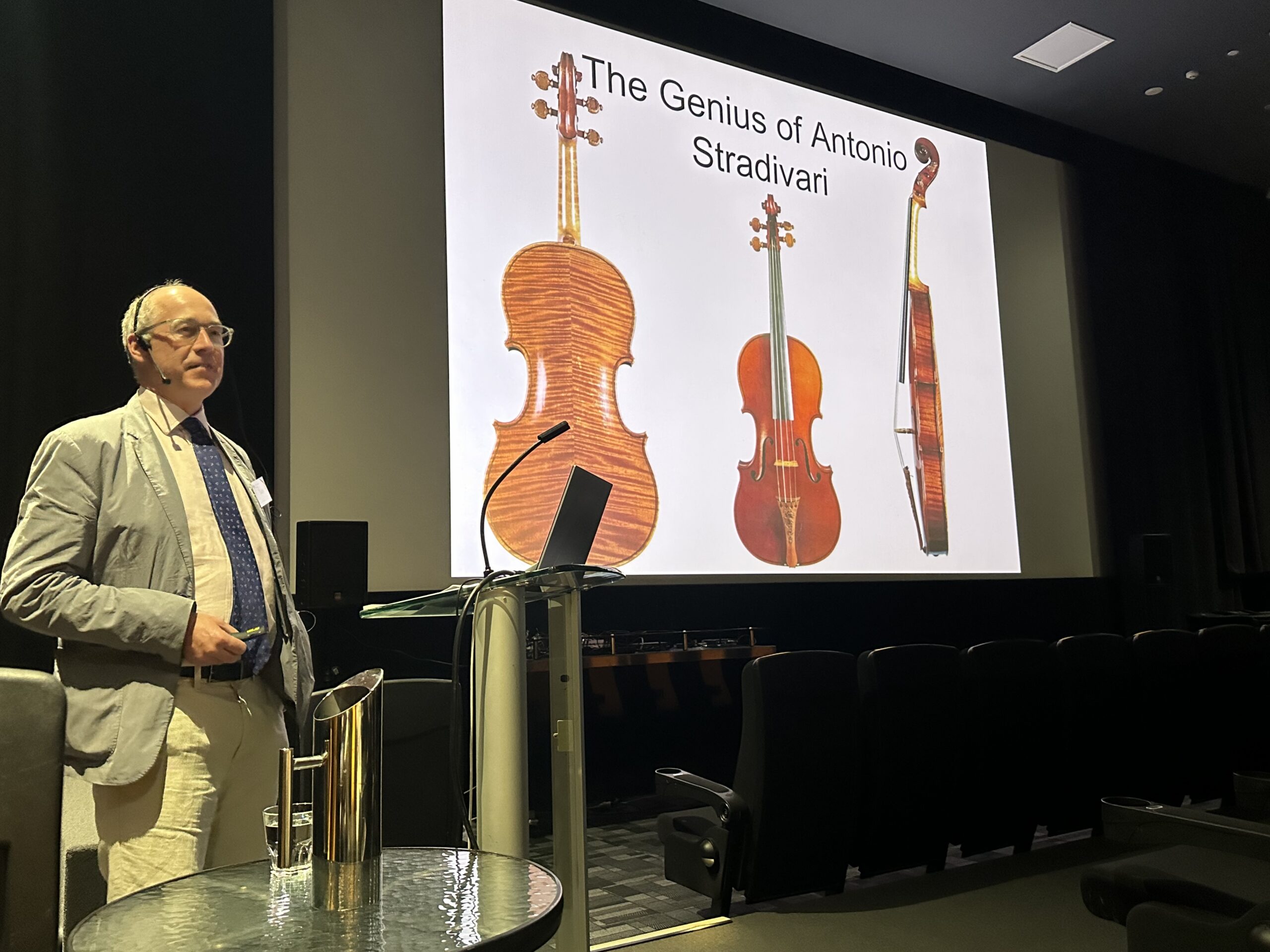
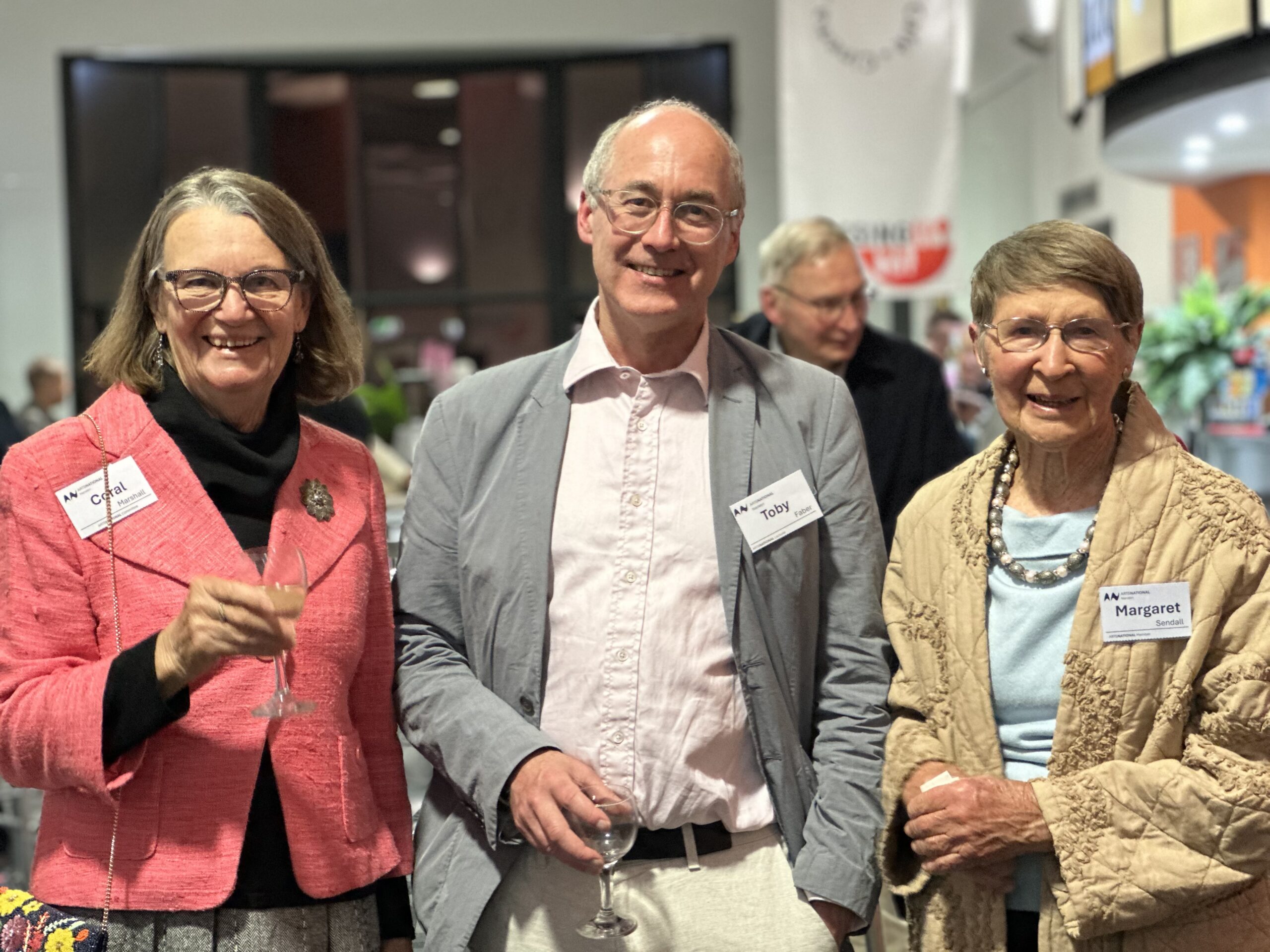
Stradivari was the topic of ArtsNational Narrabri’s lecture delivered by London-based Toby Faber and held in cinema one, The Crossing Theatre on Monday, August 25.


Living from 1644 to 1737, he was part of a vibrant community of luthiers in Cremona.
The period marked a golden age for violin making, but even among his contemporaries, Stradivari’s instruments stood out.
More than 600 of his instruments survive today, and their continued reverence forms the Stradivarius legend.
There are many theories which attempt to explain the enigma surrounding his craftmanship, such as the quality of materials, density, aging, patina, chemical treatments used in preservation and also aimed at altering density and vibration, composition of varnish, and so the list goes on.
The unmatched artistry of Antonio Stradivari’s violins is likely the product of many intertwined factors, remarkable wood sourced in a unique climate, secretive varnishes, obsessive attention to design, possible chemical treatments, and the intangible genius of the maker himself. Maybe we’ll never know.
While science continues to probe at the mystery, and contemporary makers strive to emulate the master, the Stradivarius violin remains not only an object of musical perfection but an accolade to the unrepeatable alchemy of Stradivari’s skill. The enchanting sound and enduring legacy remind us that some mysteries are best preserved, inspiring generations yet to come.