


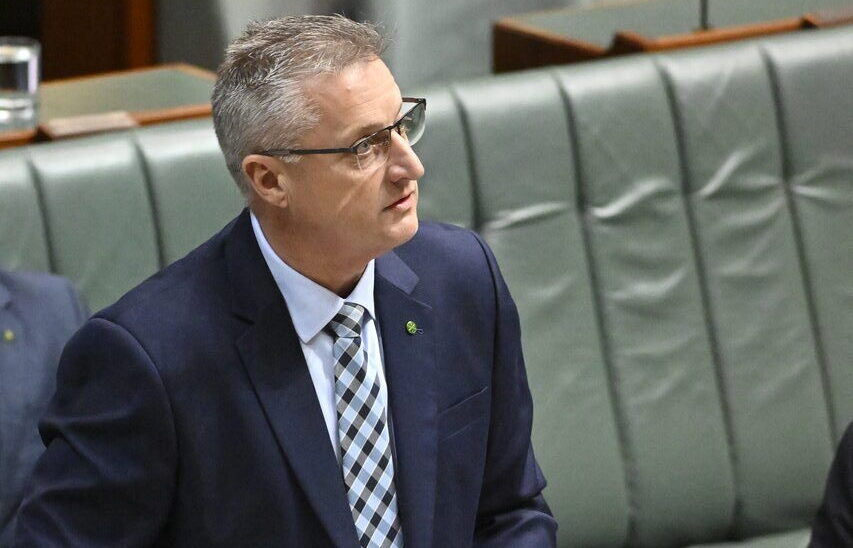
Federal Member for Parkes Jamie Chaffey has queried the federal government about what action it has taken to fix the nation’s fuel supply storage.
Mr Chaffey issued a question without notice in the House of Representatives last week as petrol costs continued to sky-rocket across the country and access in some locations became restricted, particularly to diesel.
As of Wednesday morning, petrol prices in Narrabri started at $2.36 for unleaded and slightly higher in other unleaded categories. Diesel prices, however, varied from $2.70 to $2.97.


The query was addressed to Minister for Climate Change and Energy Chris Bowen, with Mr Chaffey asking: “Transwest Fuels is an independent wholesale supplier in Gunnedah and Mungindi in my electorate. Normally it services more than 2000 agricultural customers. They have now been turned away by their usual bulk fuel supplier in both New South Wales and Queensland and have no certainty that they can secure enough fuel for businesses or the farms that they support. What action is the minister taking to fix Australia’s fuel supply storage?”
Mr Bowen acknowledged that “in regional Australia, there are real pressures on supply chains”.
“That’s why we have convened three meetings of the national oil emergency supply committee, which is an important committee which every state and territory is represented on. In addition, the relevant ministers and I have convened all the key stakeholders,” Mr Bowen responded.
In a later statement to the house, Mr Chaffey said it seemed that Australian fuel supply is so fragile that regional independent wholesalers and farmers are being told they can’t have any.
“It’s all been saved for the cities. Let me tell you about Sam Clifton from Transwest Fuels, an independent wholesale fuel supplier for regional New South Wales. Sam has been turned away from his normal bulk fuel suppliers in both New South Wales and Queensland. How will he provide fuel for his more than 2000 customers?,” Mr Chaffey said.
“Let me tell you about Inland Petroleum, who have told their customers that they know their prices are terrible, but they’ve also had to cut their margins to keep them down. ‘We are doing everything we can to keep fuel moving to farmers, to transport operators and regional communities,’ they say, but they also need to look after their 280 employees.
“Let me tell you about Tim, a Binnaway farmer, who has been told by his supplier that there is no fuel for him to mix feed for his livestock during the drought, and farmers like Kathryn from Coolah, who told me that they should now be planting—in her case, canola.
“They should be harvesting, transporting and feeding stock to put food on the table for all Australians. No diesel equals no food. When that supply starts to run out, watch those prices rise.”
To order photos from this page click here